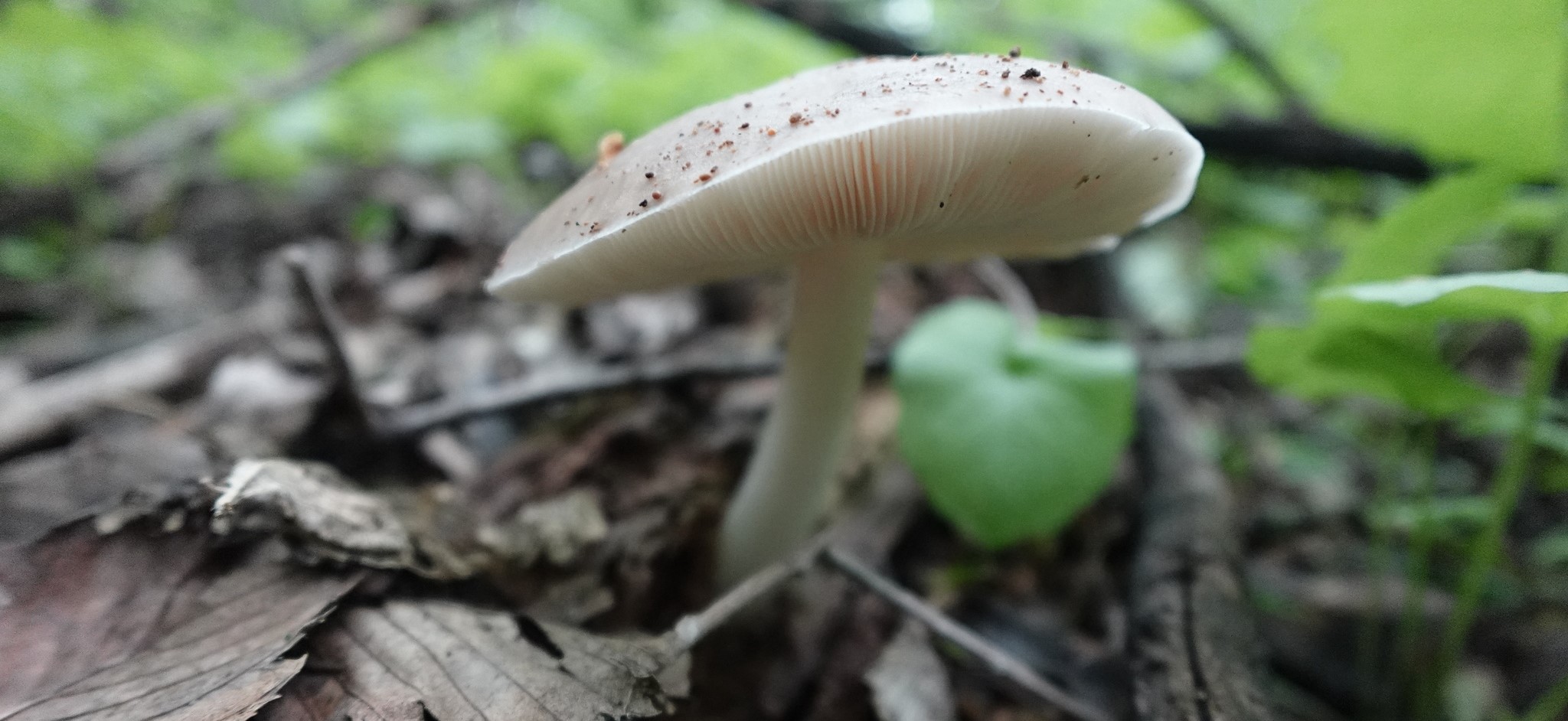
In 2020 I assumed you couldn’t be a good mycologist unless you could identify every mushroom to species level. How laughable is that!? Between cryptic species and new genera being created seemingly every day I question my ability to ever become a decent amateur mycologist.
But I created a game plan: instead of having a surface level knowledge of many random mushrooms, I decided I would gain a deep understanding of one genus. Why Pluteus? I can’t think of any other genera that has more local species and as I read through the research papers on Pluteus I will be exposed to DNA sequencing terminology which I’d love to learn! Plus, they look kick ass under the microscope… AND they grow everywhere. Do I need to keep going?
Kingdom: Fungi, Division: Basidiomycota, Class: Agaricomycetes, Order: Agaricales, Family: Pluteaceae, Genus: Pluteus
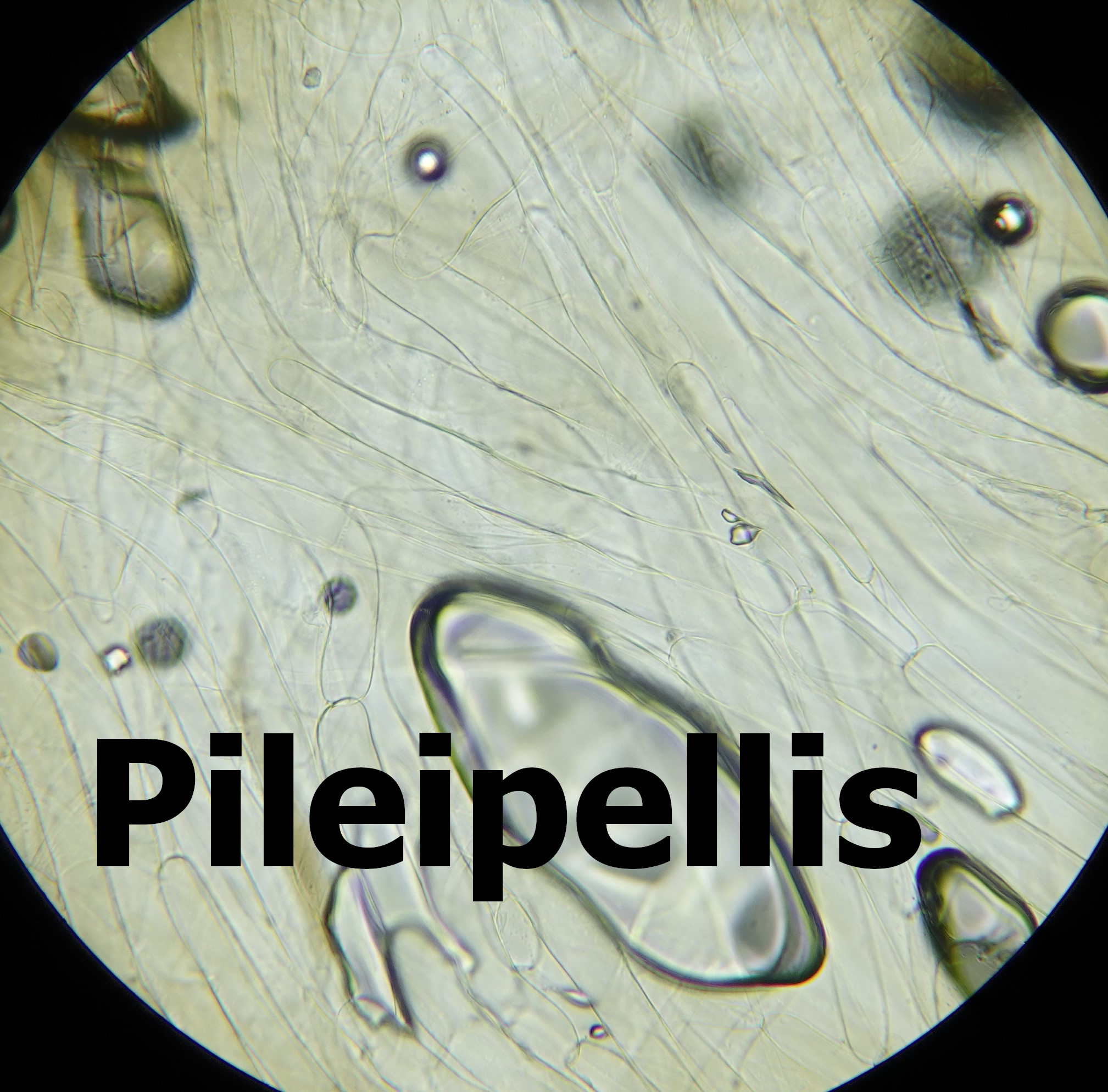
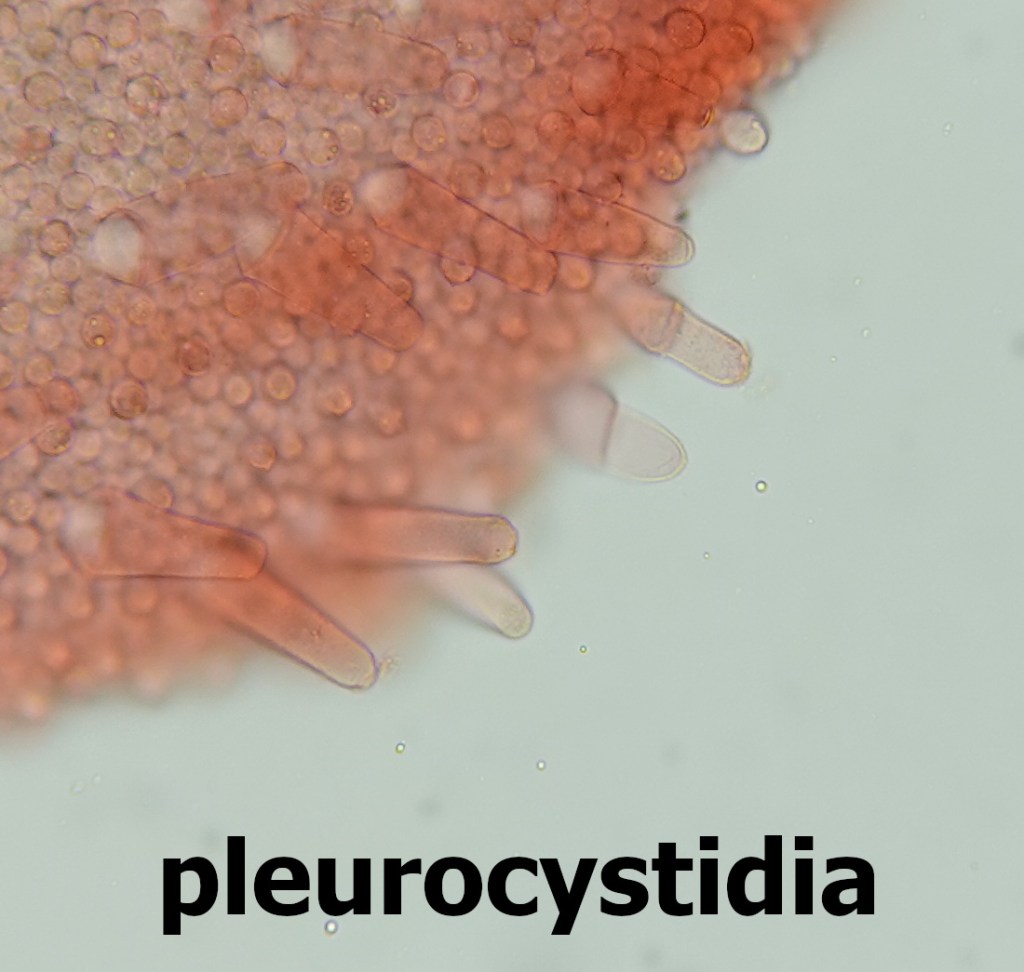
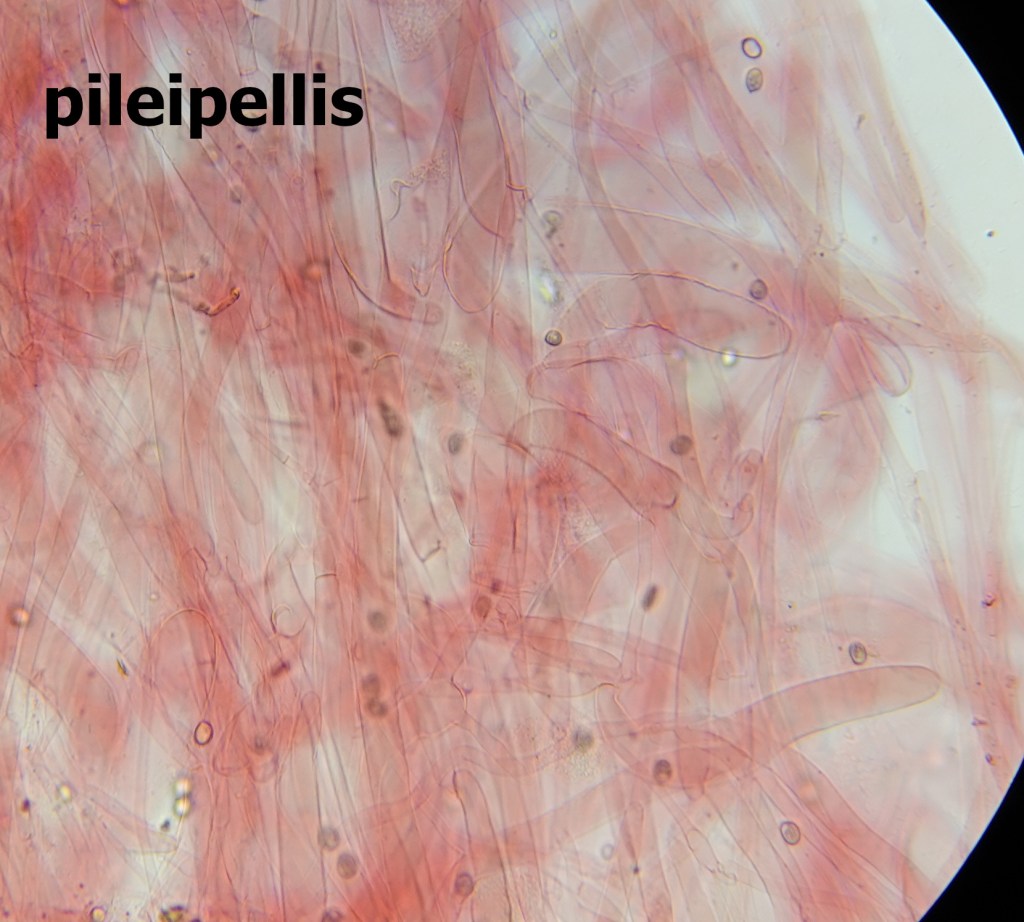
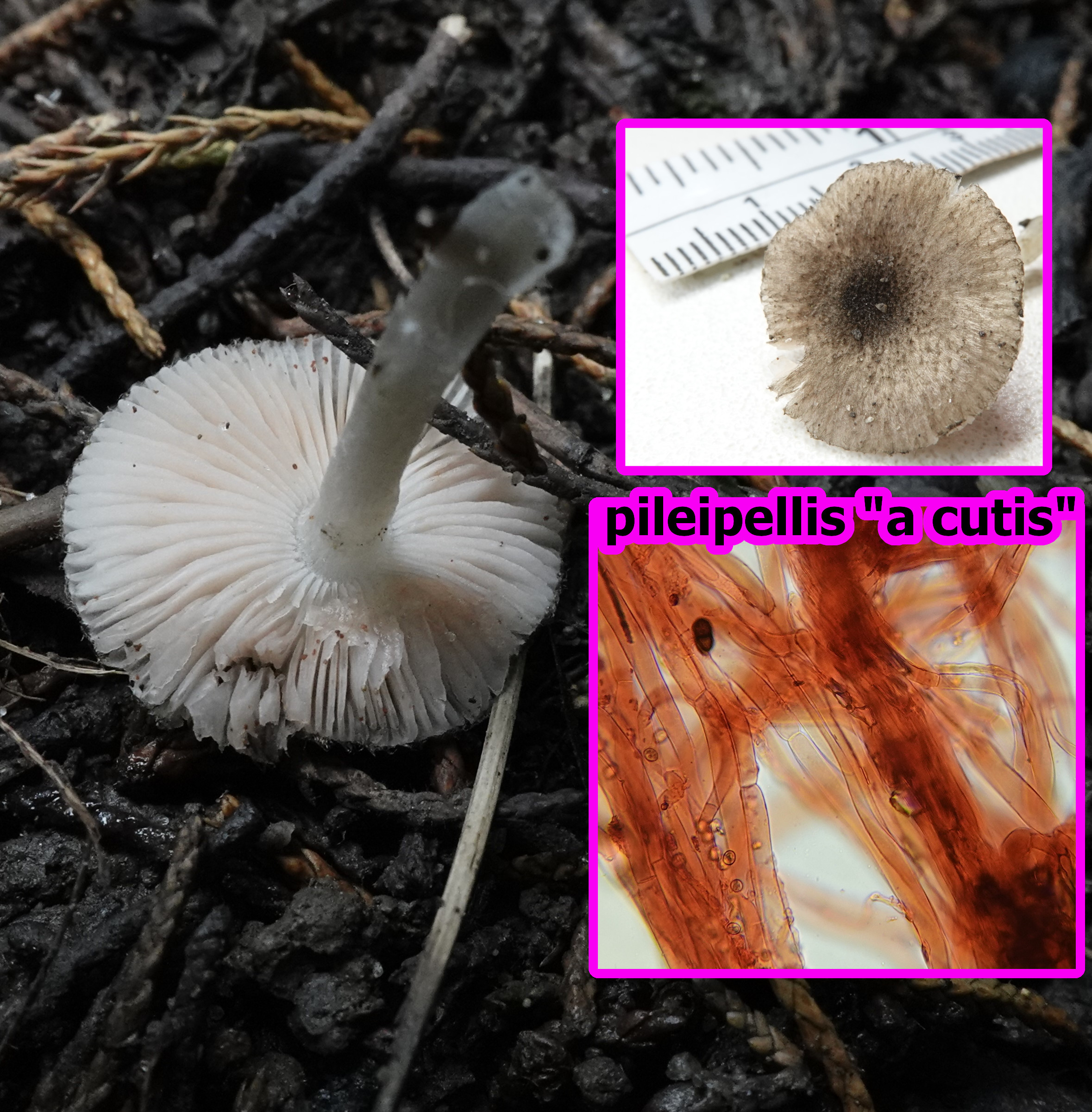
Section Pluteus: filamentous pileipellis and thick-walled pleurocystidia
Section Hispidoderma: filamentous pileipellis and thin-walled pleurocystidia
Section Celluloderma: cystoderm pileipellis composed of ellipsoid to saccate-pyriform to vesiculose cells with or without cystidioid elements
“Identification of white basidiocarps in section Pluteus has always been challenging and species (e.g. P. albineus, P. nothopellitus) and varieties (e.g. P. pouzarianus var. albus) have been erected based on this character (Bonnard 1993, 2001; Justo & Castro 2007b). At least five taxa with normally brown pigmented pilei (P. cervinus, P. hongoi, P. pouzarianus, P. primus and P. brunneidiscus) can produce occasionally white variants. It is possible that this also occurs in other species for which white variants have not been recorded. Conversely, species that normally produce white or very pale basidiocarps can sometimes produce basidiocarps with brown or pale brown pilei (e.g. P. petasatus, P. pellitus, P. orestes). This extensive morphological plasticity makes identification based on macromorphology alone very challenging, unless one is presented with the most typical morphotype of a particular species.”
(Justo 2014, 75)
Species List
(Alphabetical order, only personal observations listed)
Pluteus americanus
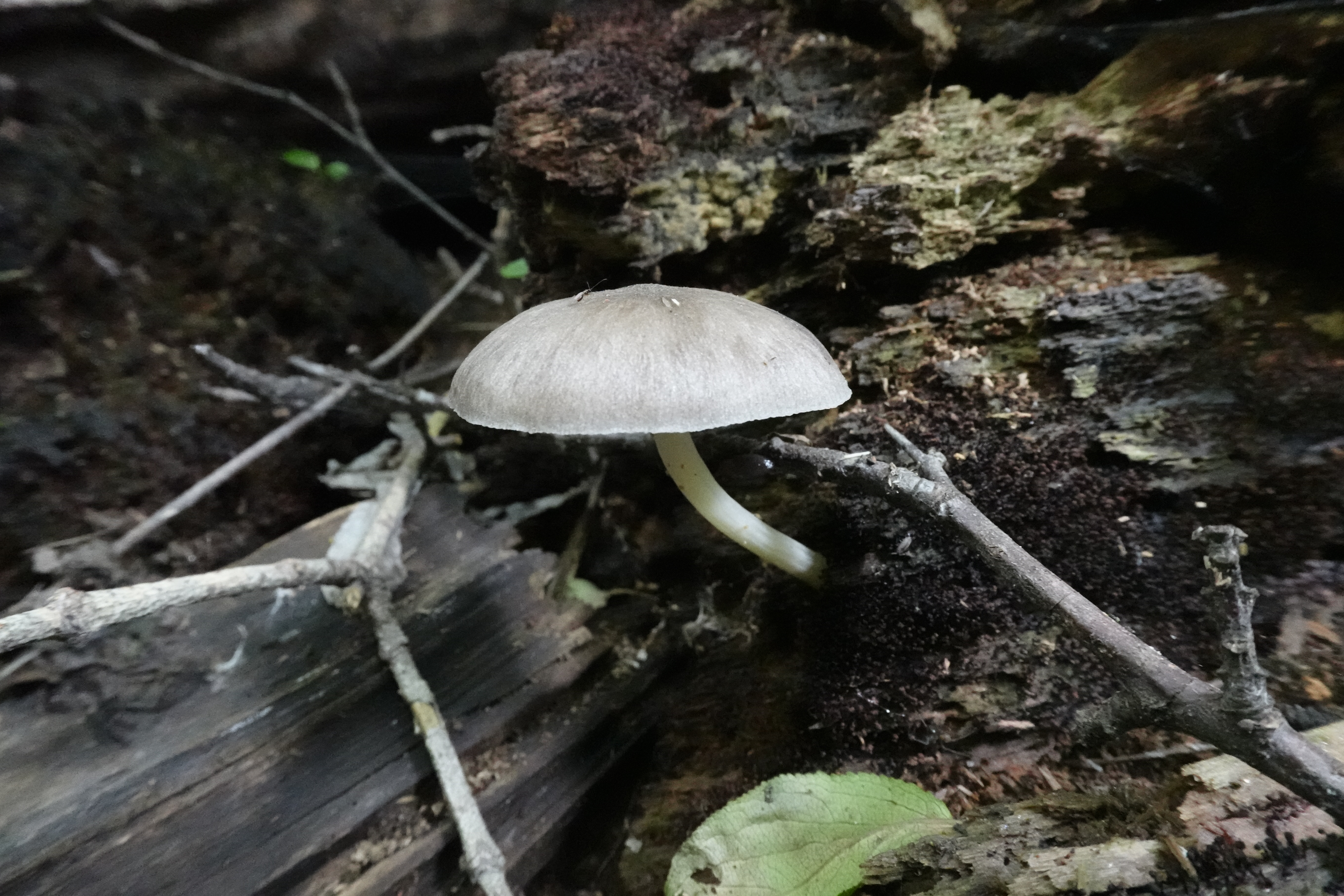
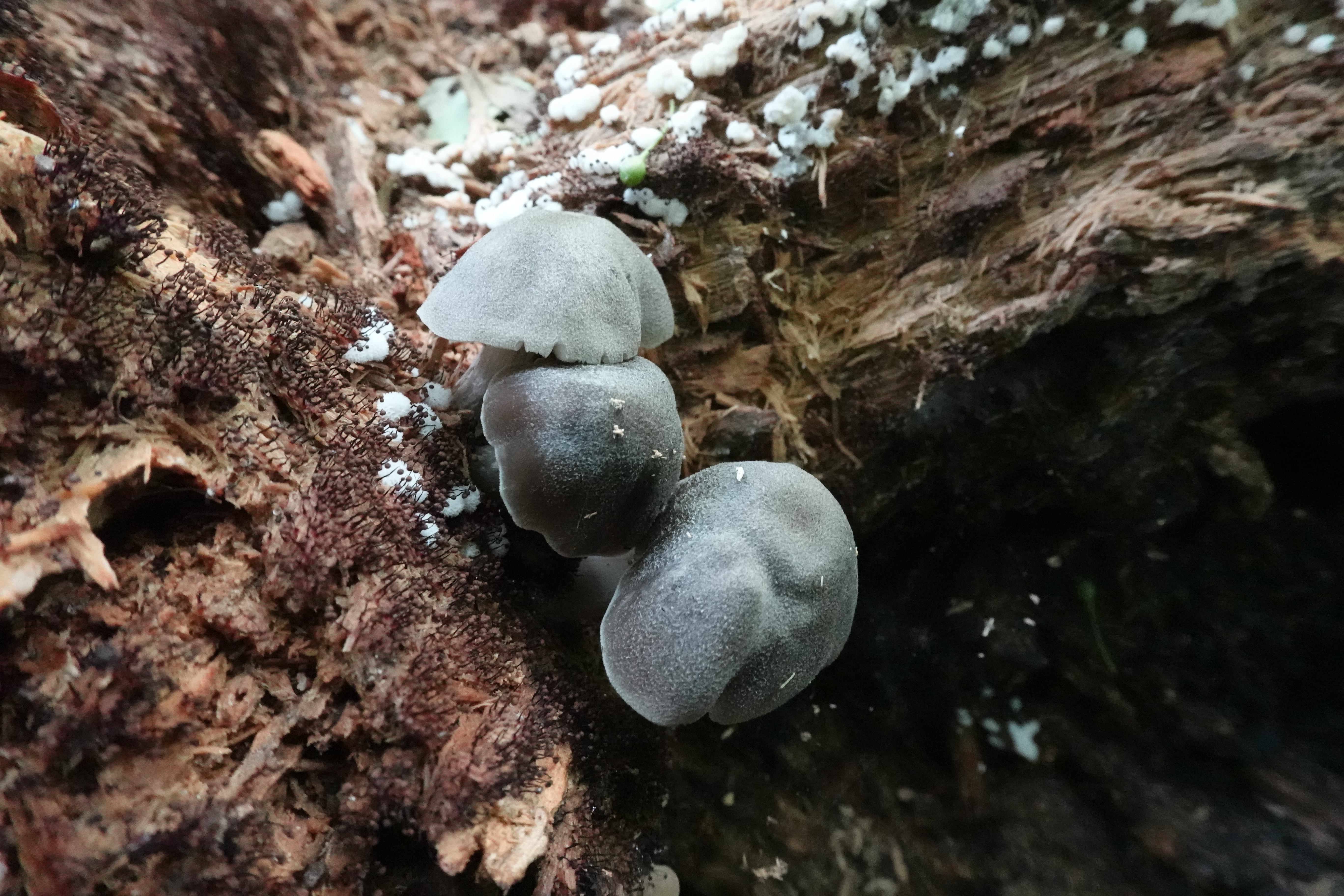
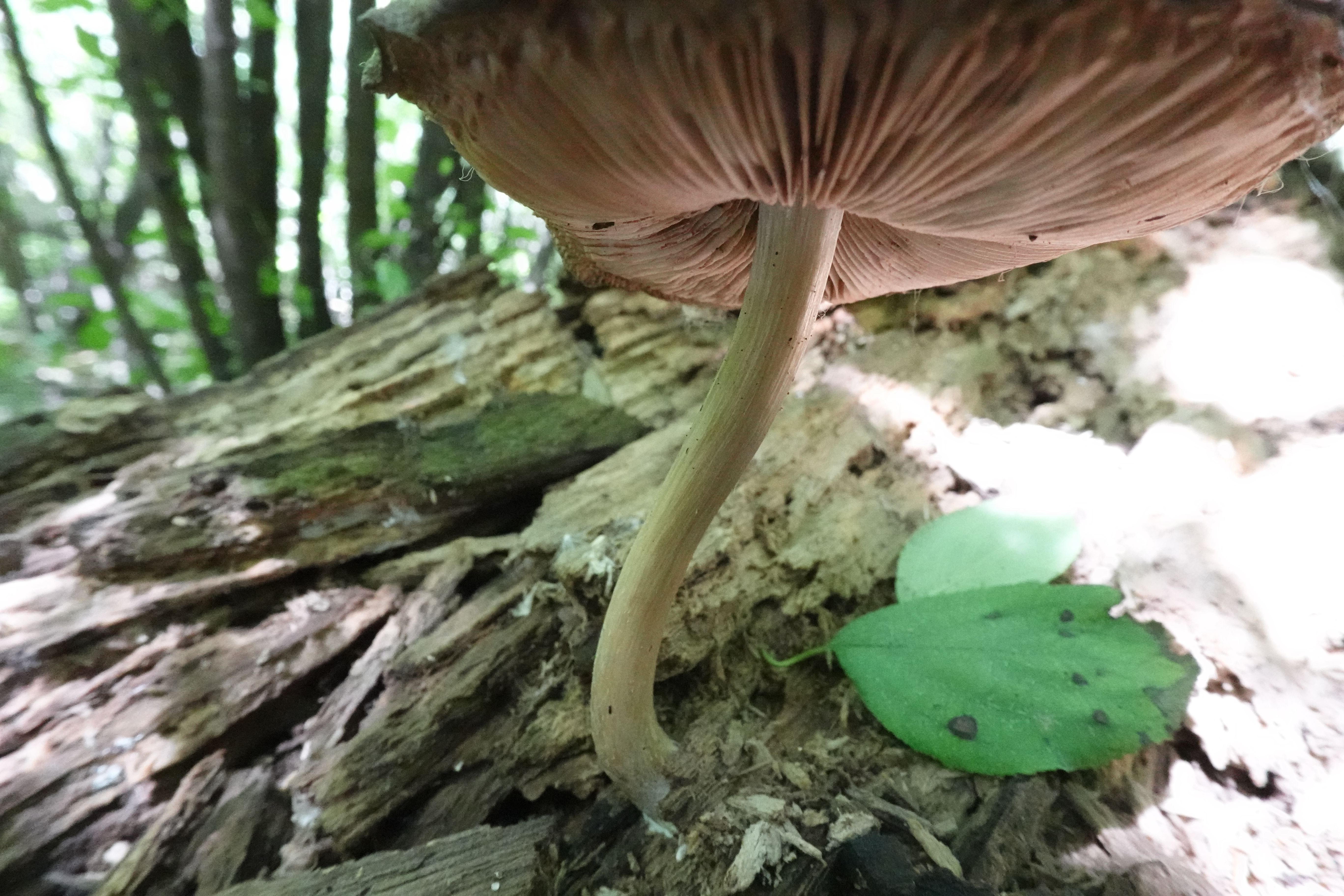

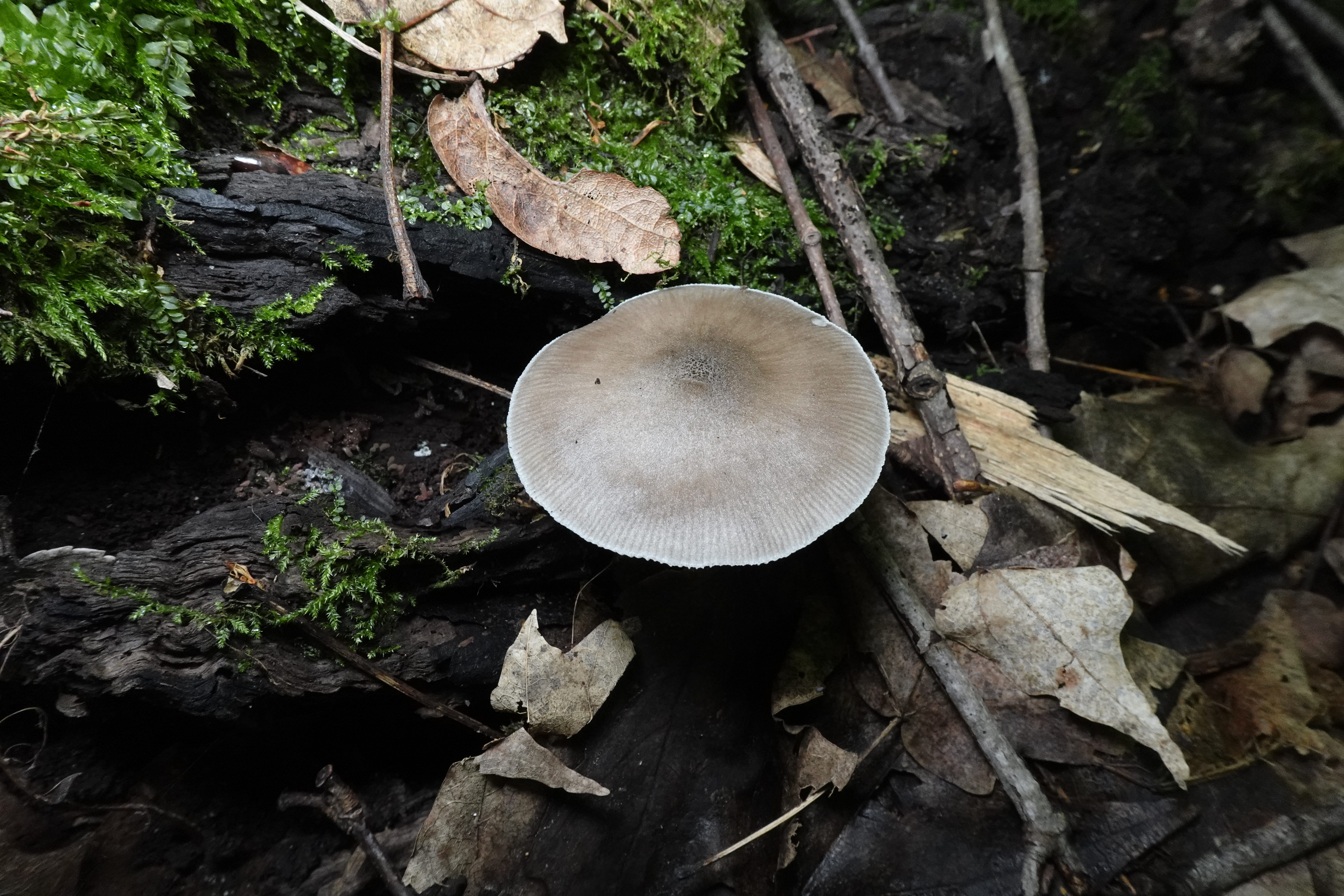
Logan Spader Observations:
https://www.inaturalist.org/observations/299716490
https://www.inaturalist.org/observations/294829103
https://www.inaturalist.org/observations/294828164
iNaturalist DNA Sequenced Observations:
https://www.inaturalist.org/observations/135940185O (spore photos, deformity)
https://www.inaturalist.org/observations/178209350 (great photos, black light)
Section: Pluteus
Complex: Salicinus
Comments:
- Chemical smell, bitter taste, & grey bruising on stem differentiates this species from P. cervinus.
- Clamp connections and well-defined hooks on pleurocystidia differentiate it from P. saupei.
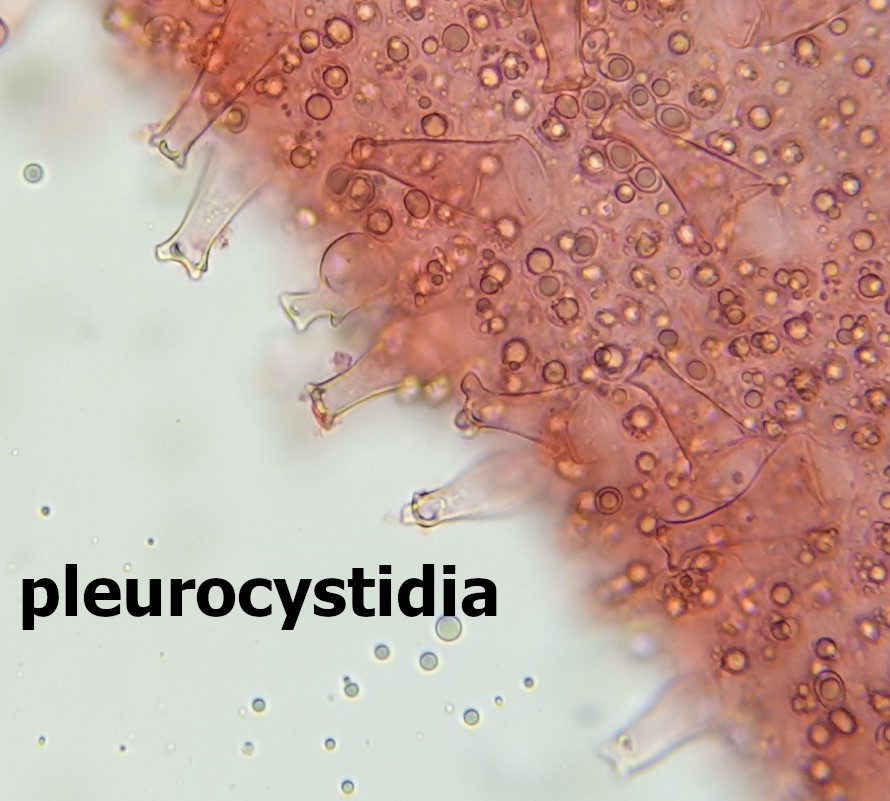

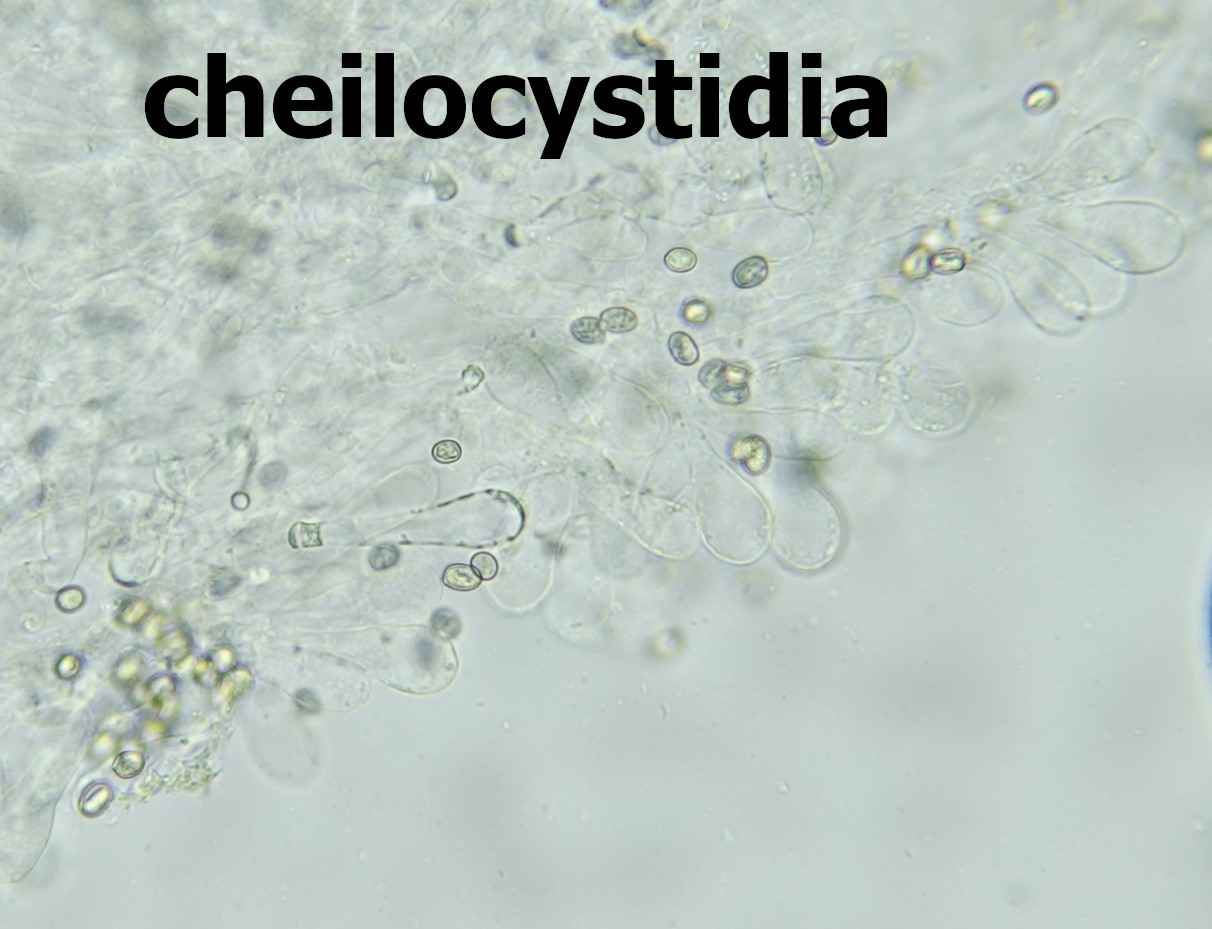
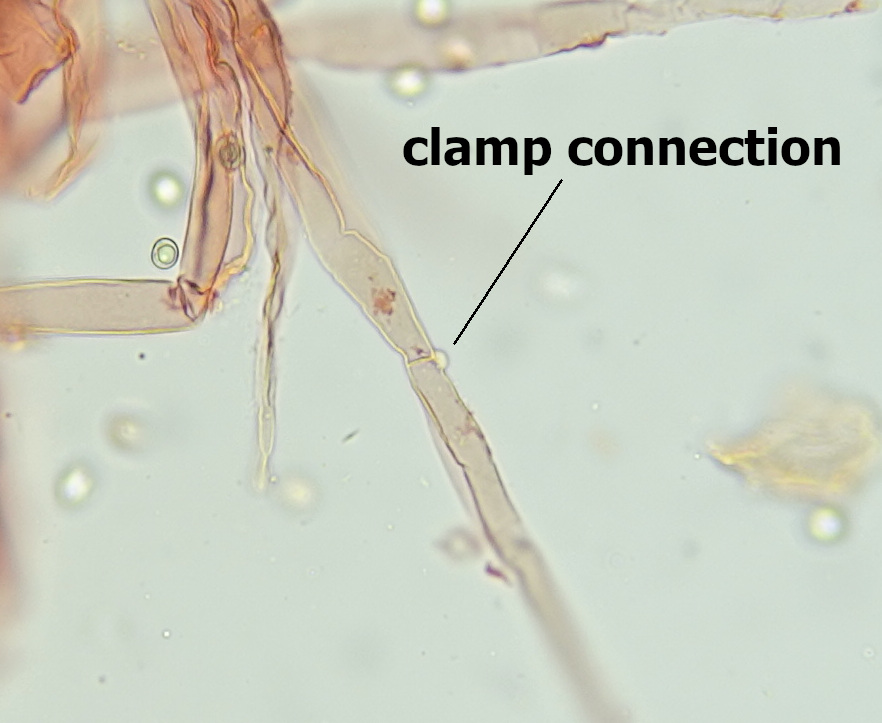
Pluteus aurantiorugosus
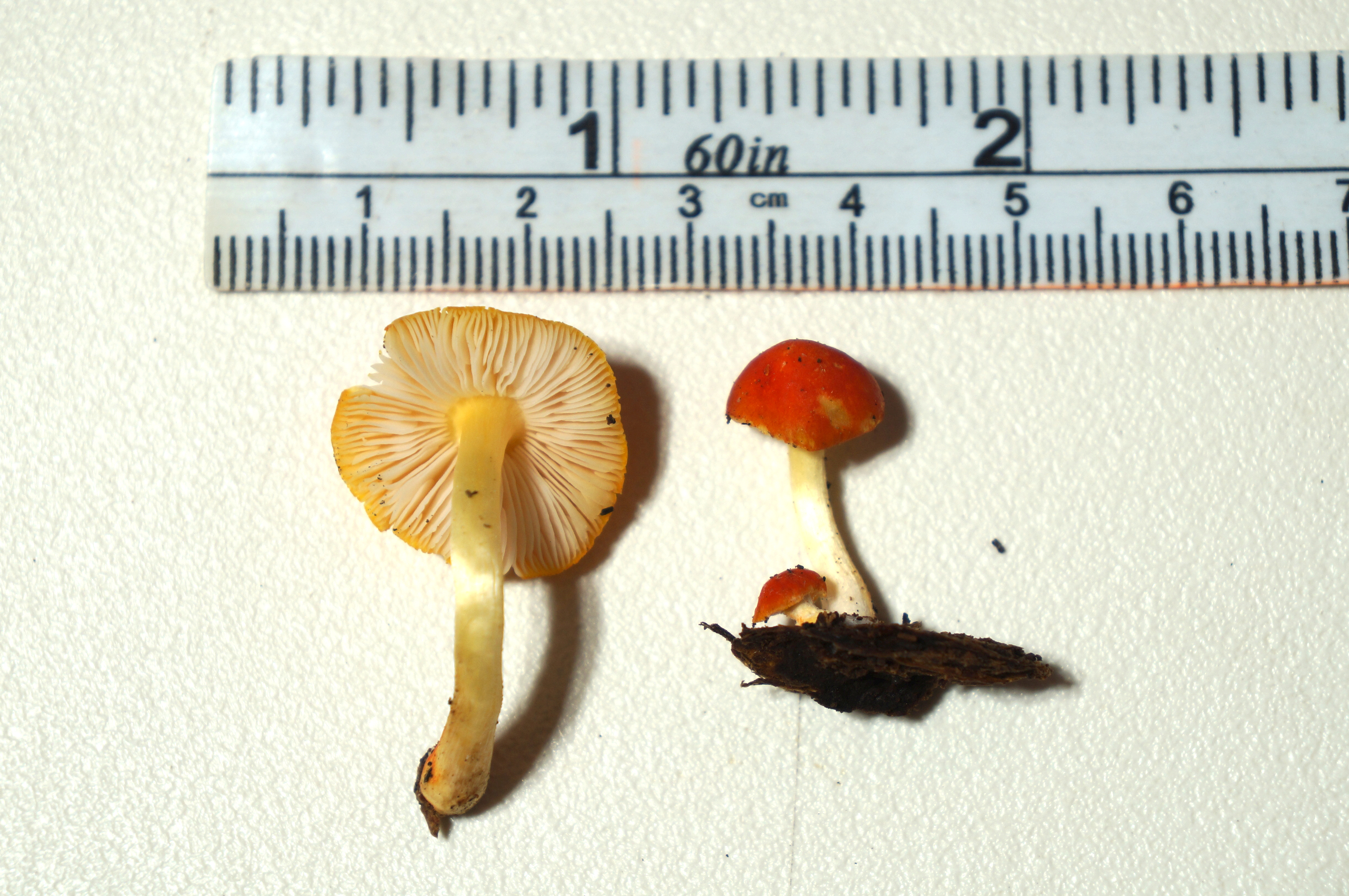
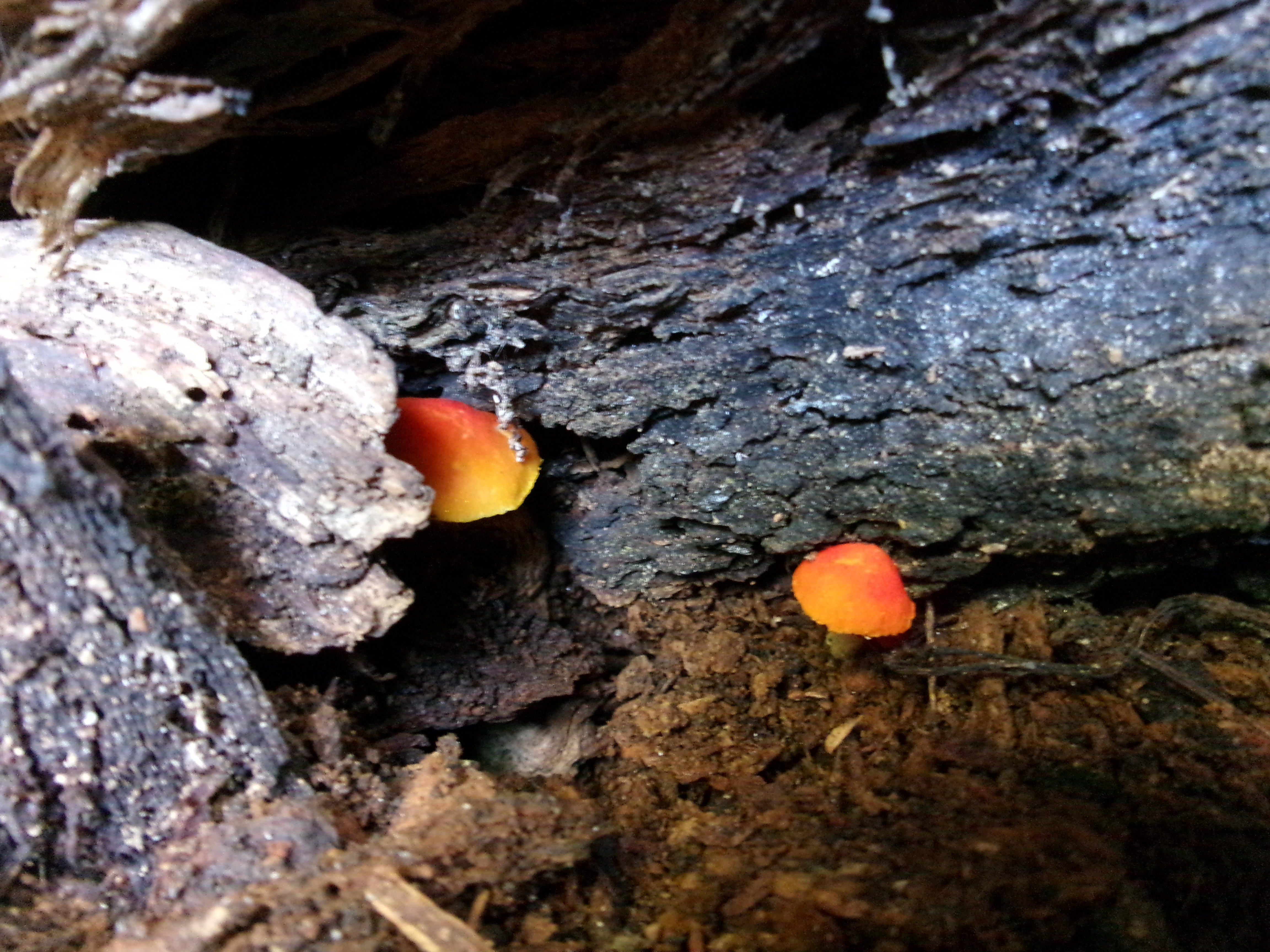
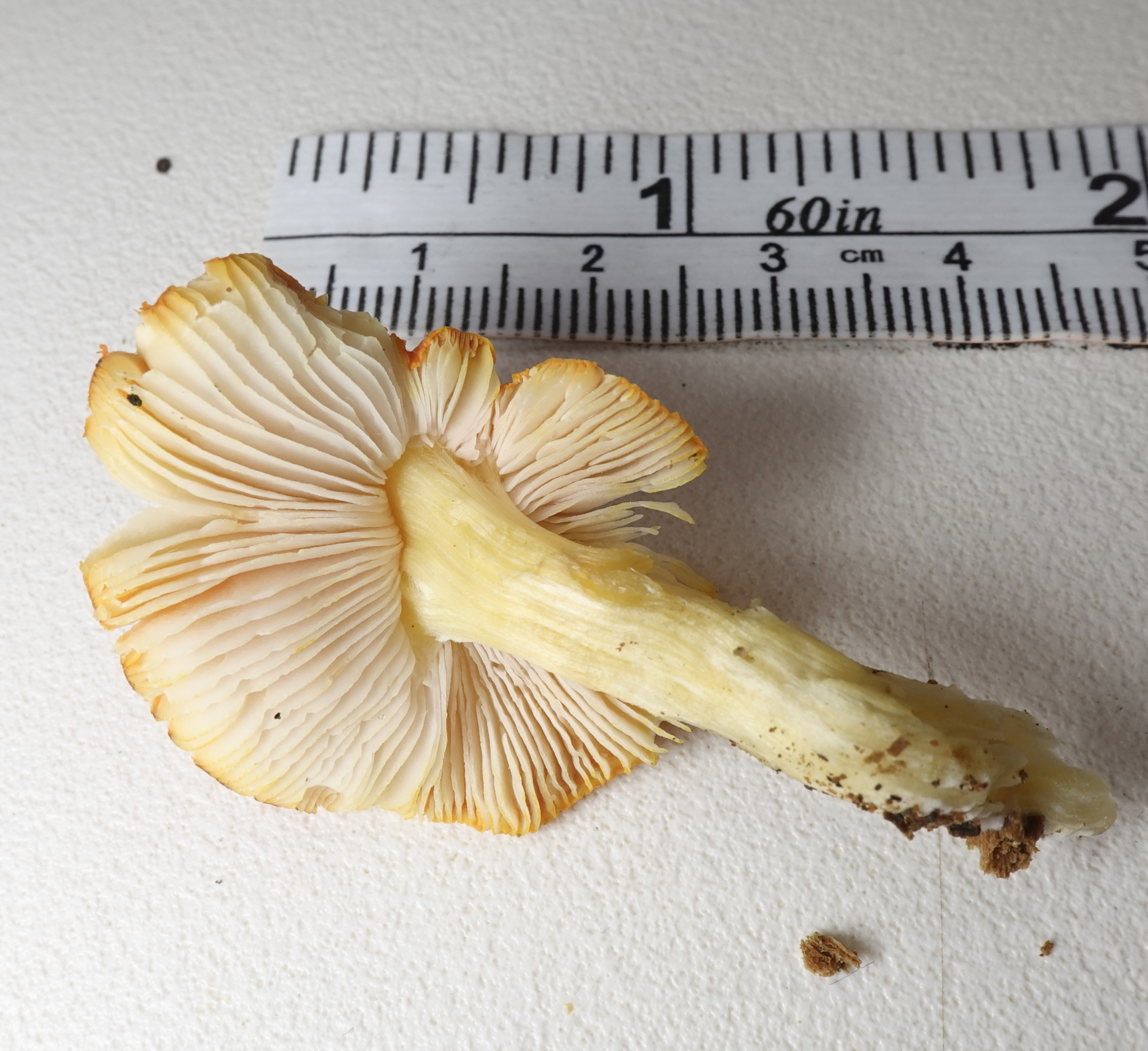
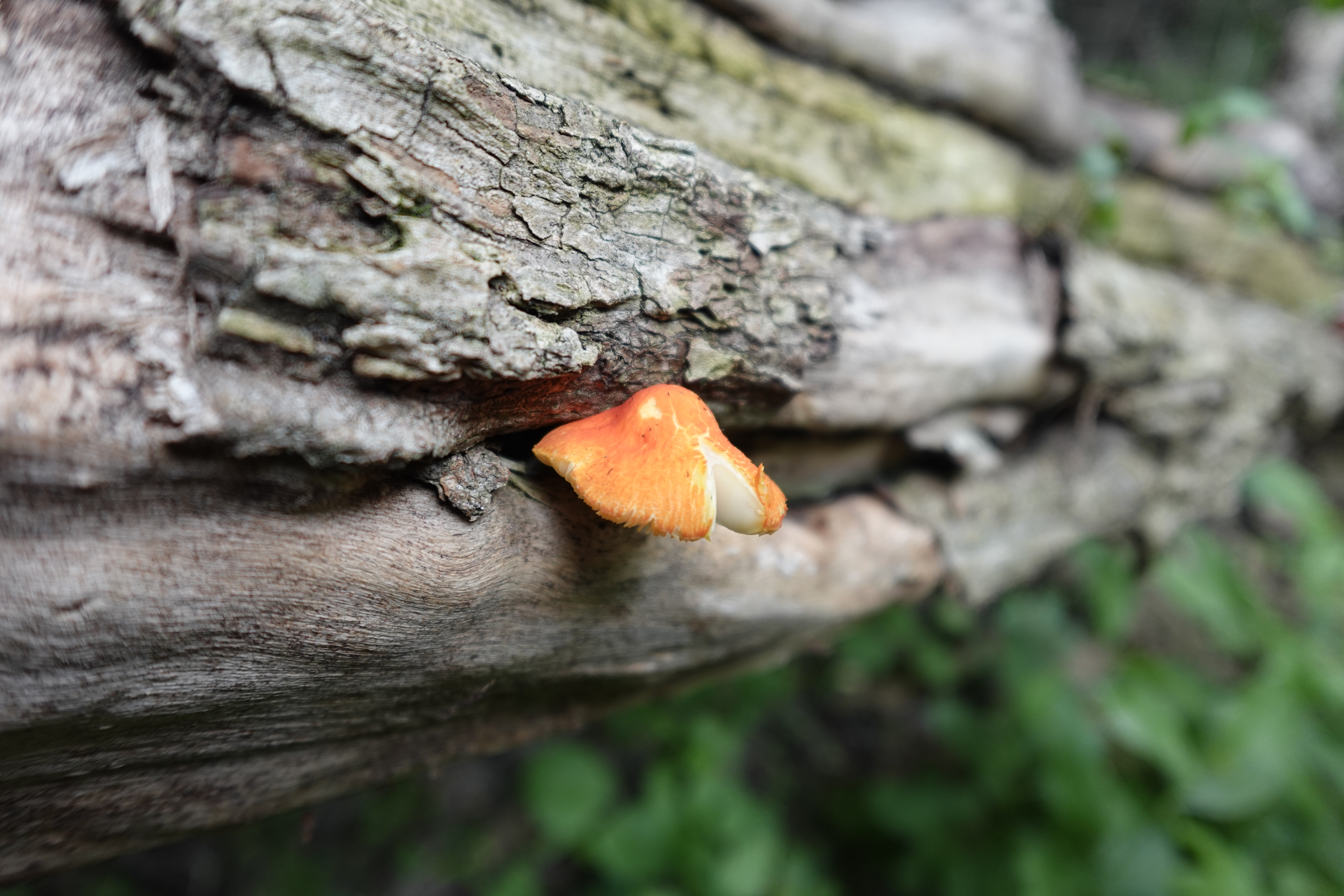
Logan Spader Observations:
https://www.inaturalist.org/observations/290647445
https://www.inaturalist.org/observations/190520477
iNaturalist DNA Sequenced Observations:
https://www.inaturalist.org/observations/32772099 (huge fruiting, many photos)
https://www.inaturalist.org/observations/189691354 (cap nearly reticulate)
Section: Celluloderma
Complex: –
Comments:
- Bright red cap and pink free gills makes field identification relatively easy
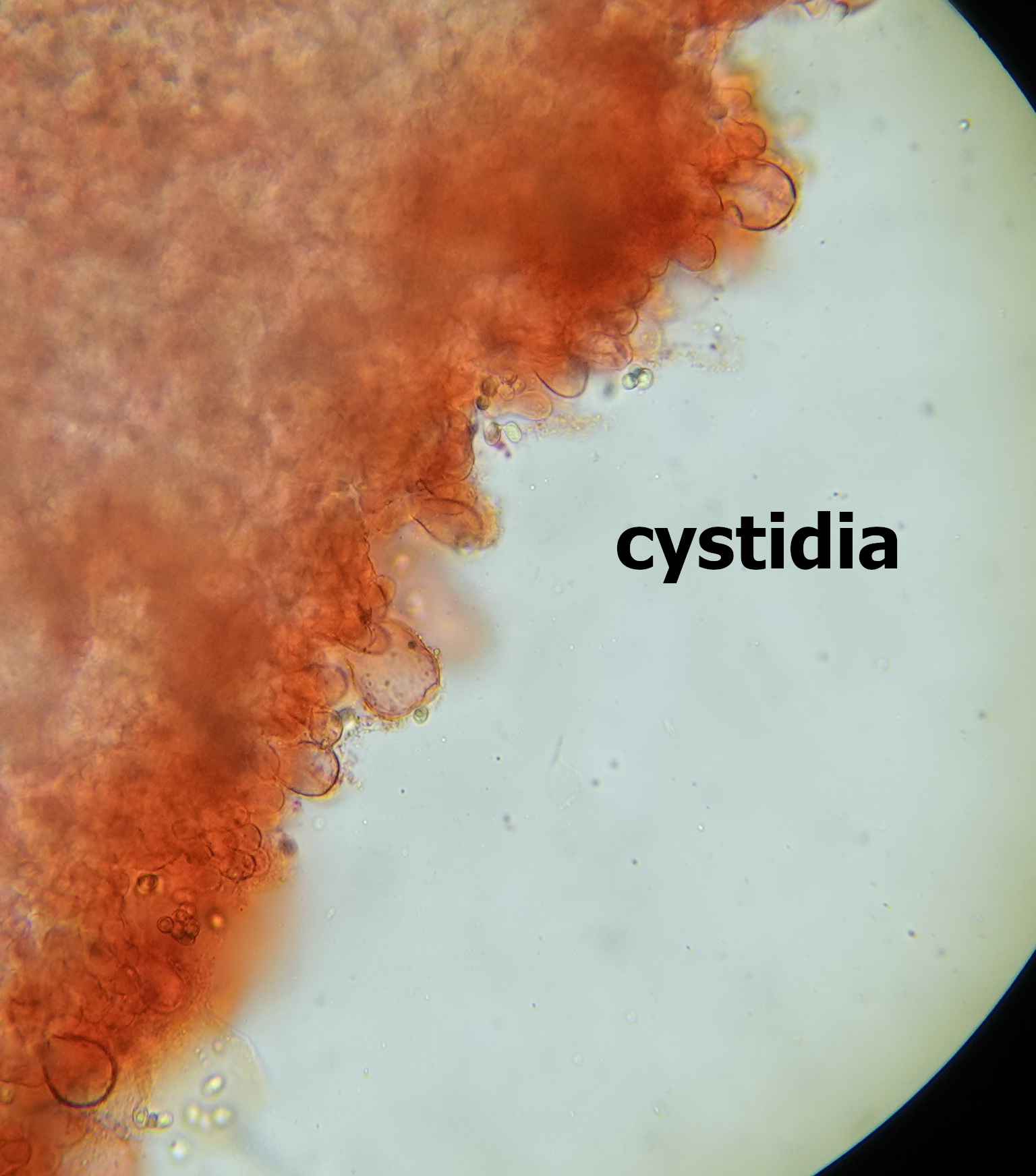
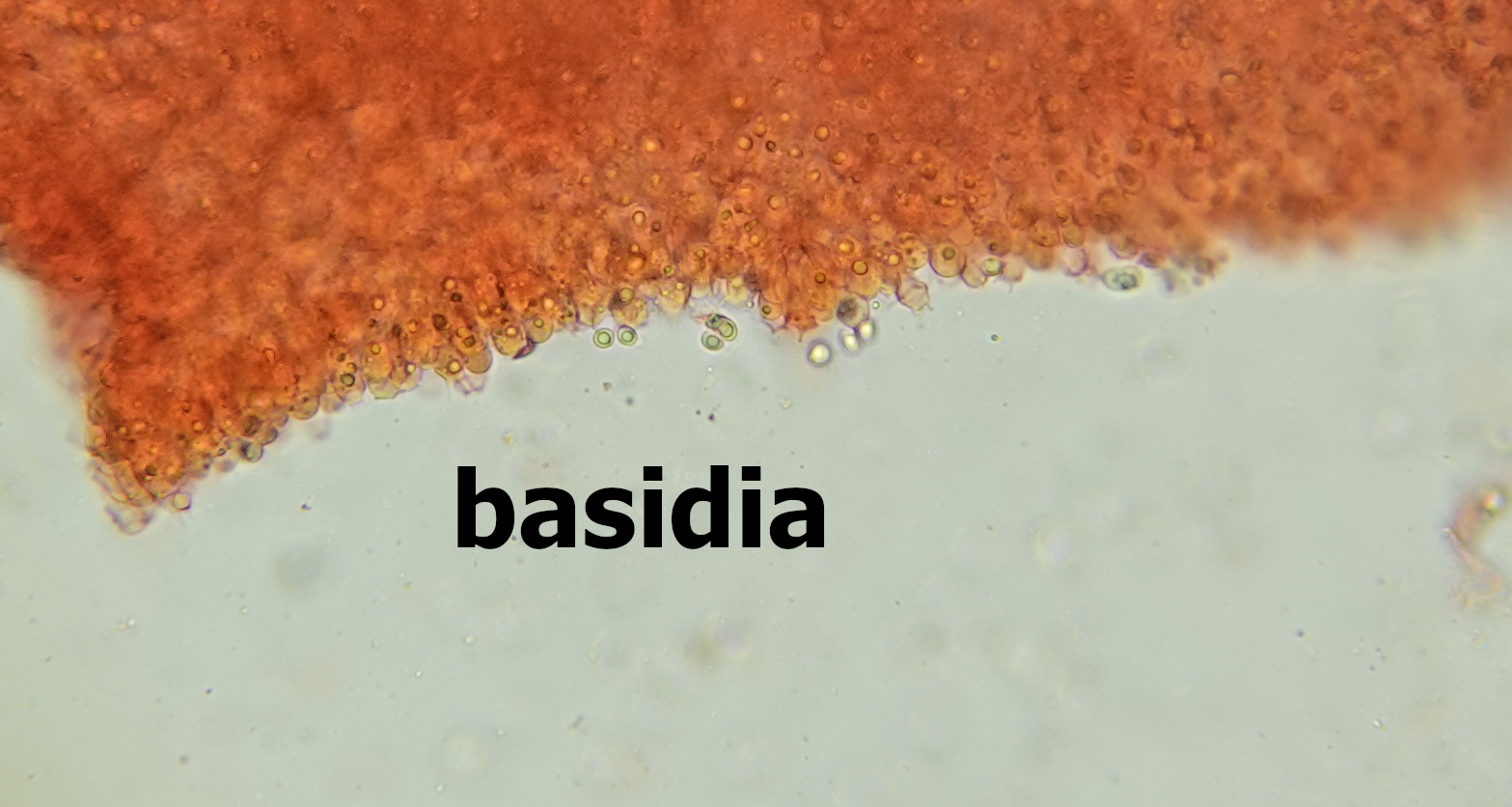
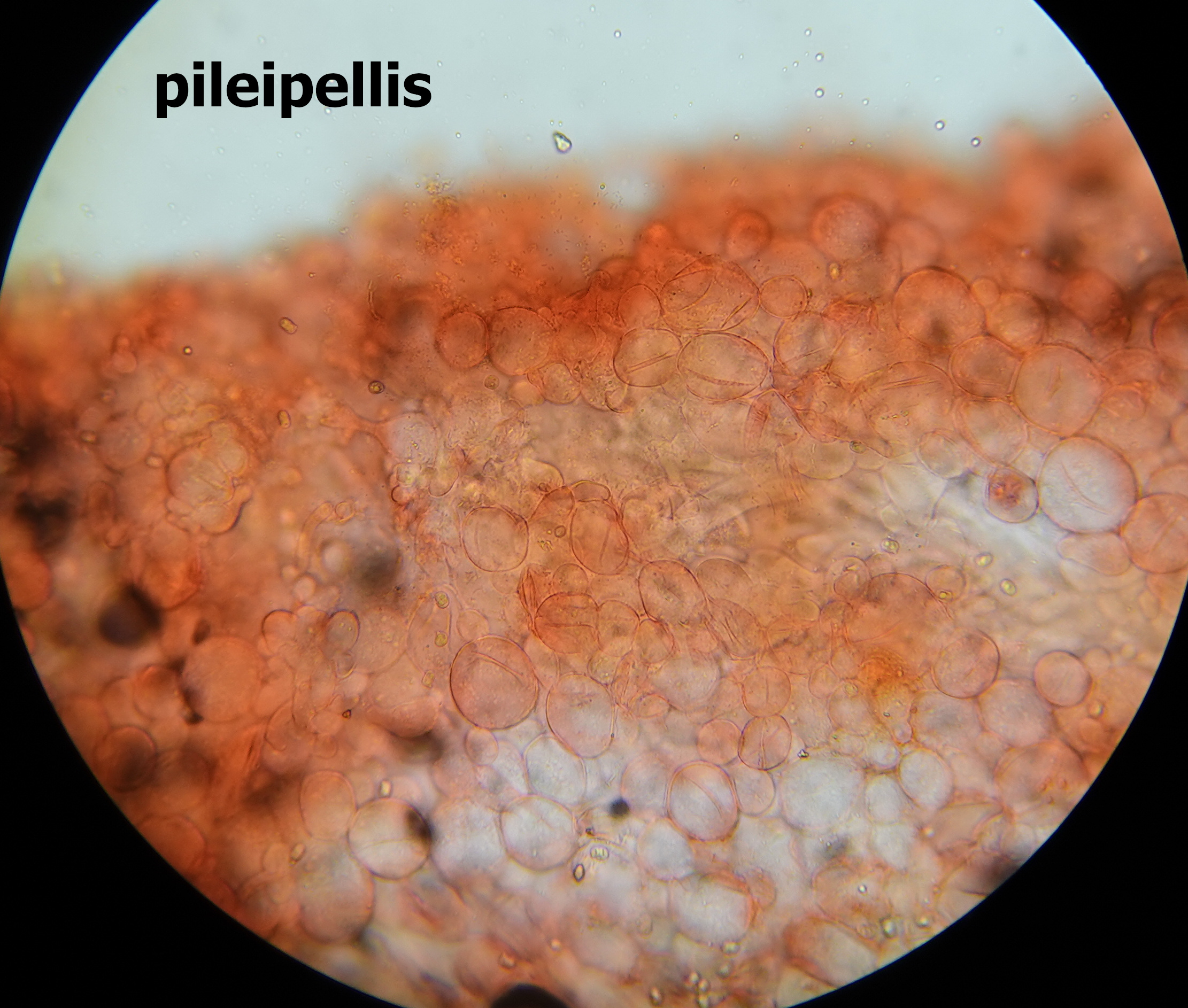
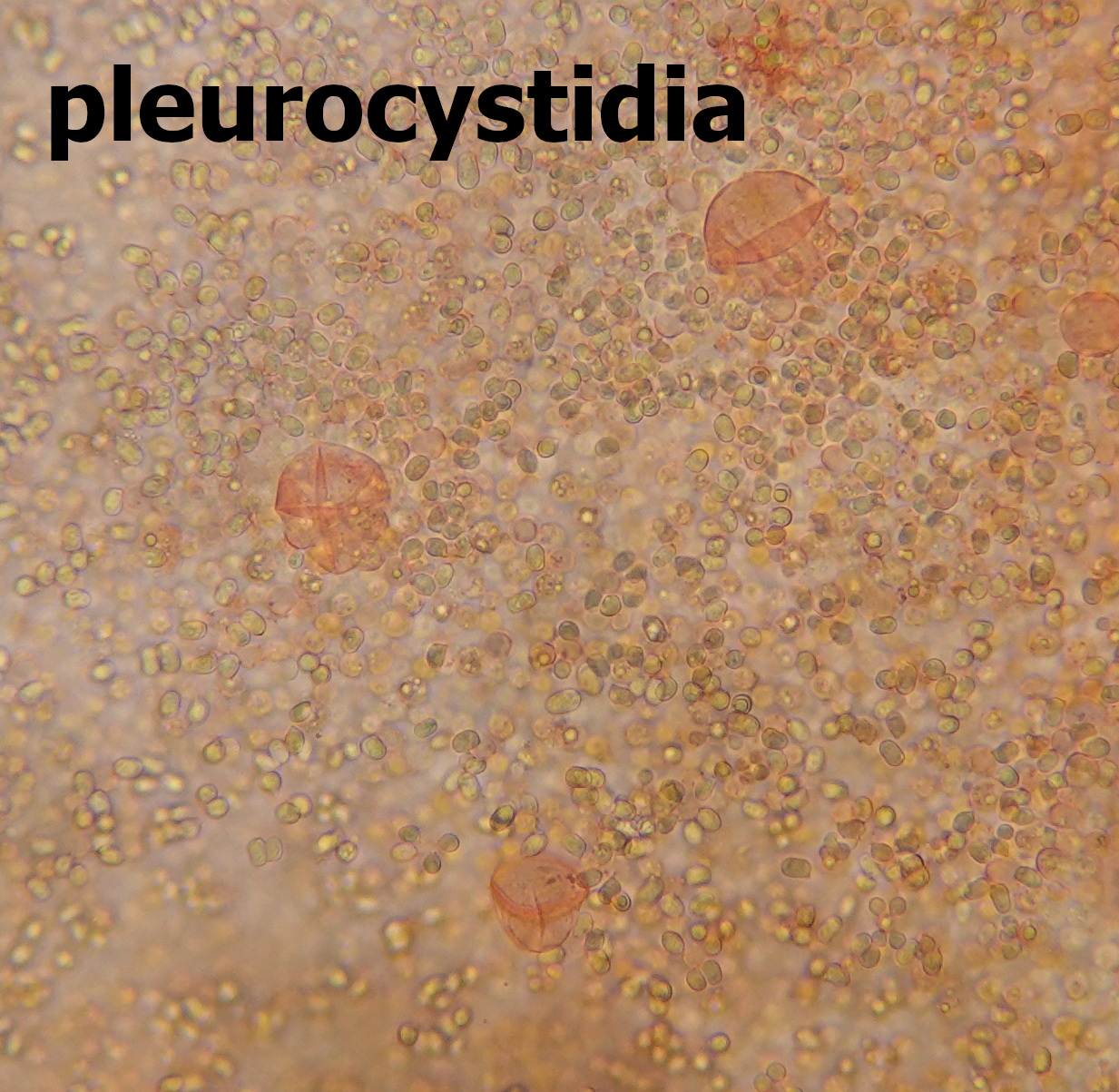
Pluteus cervinus
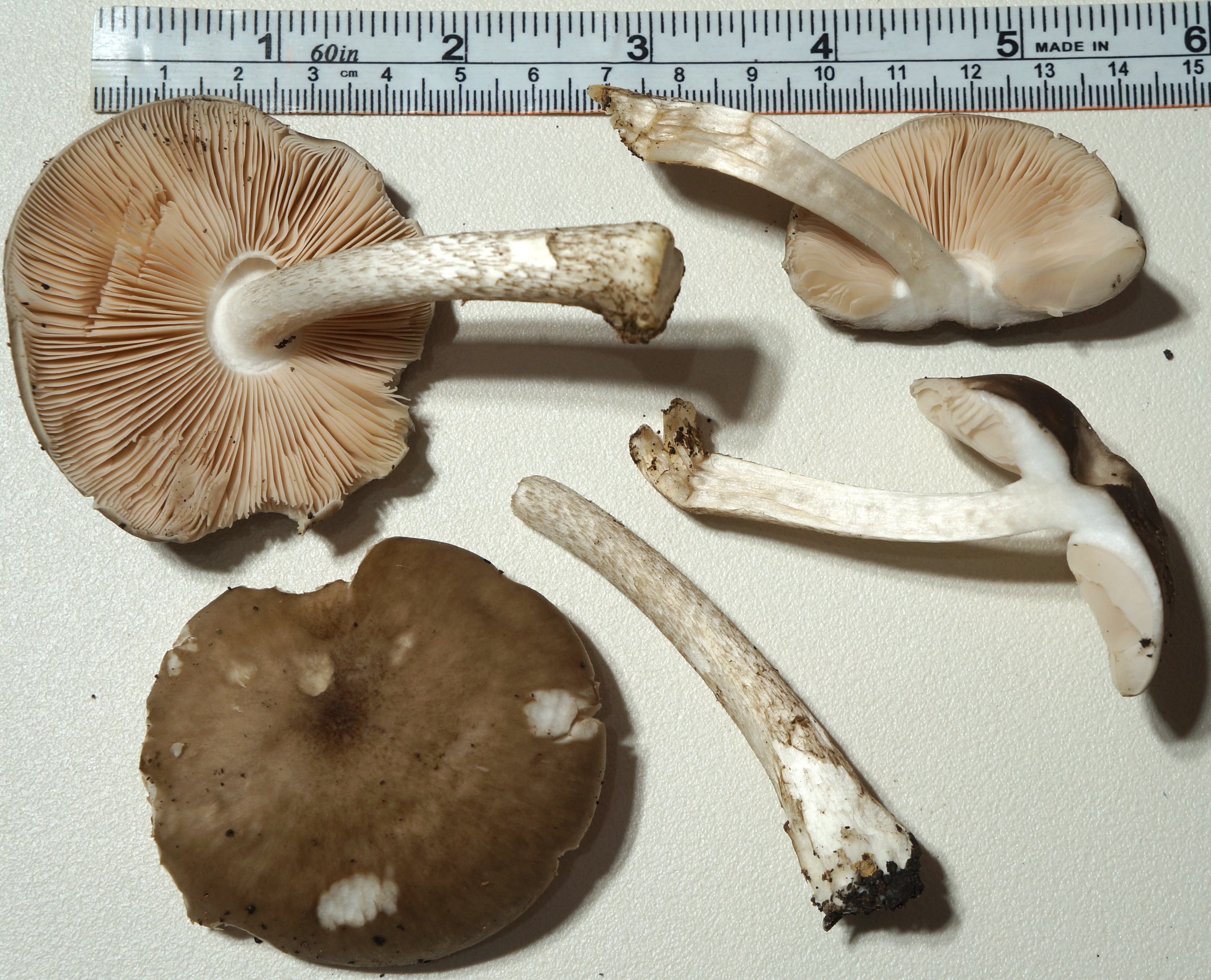

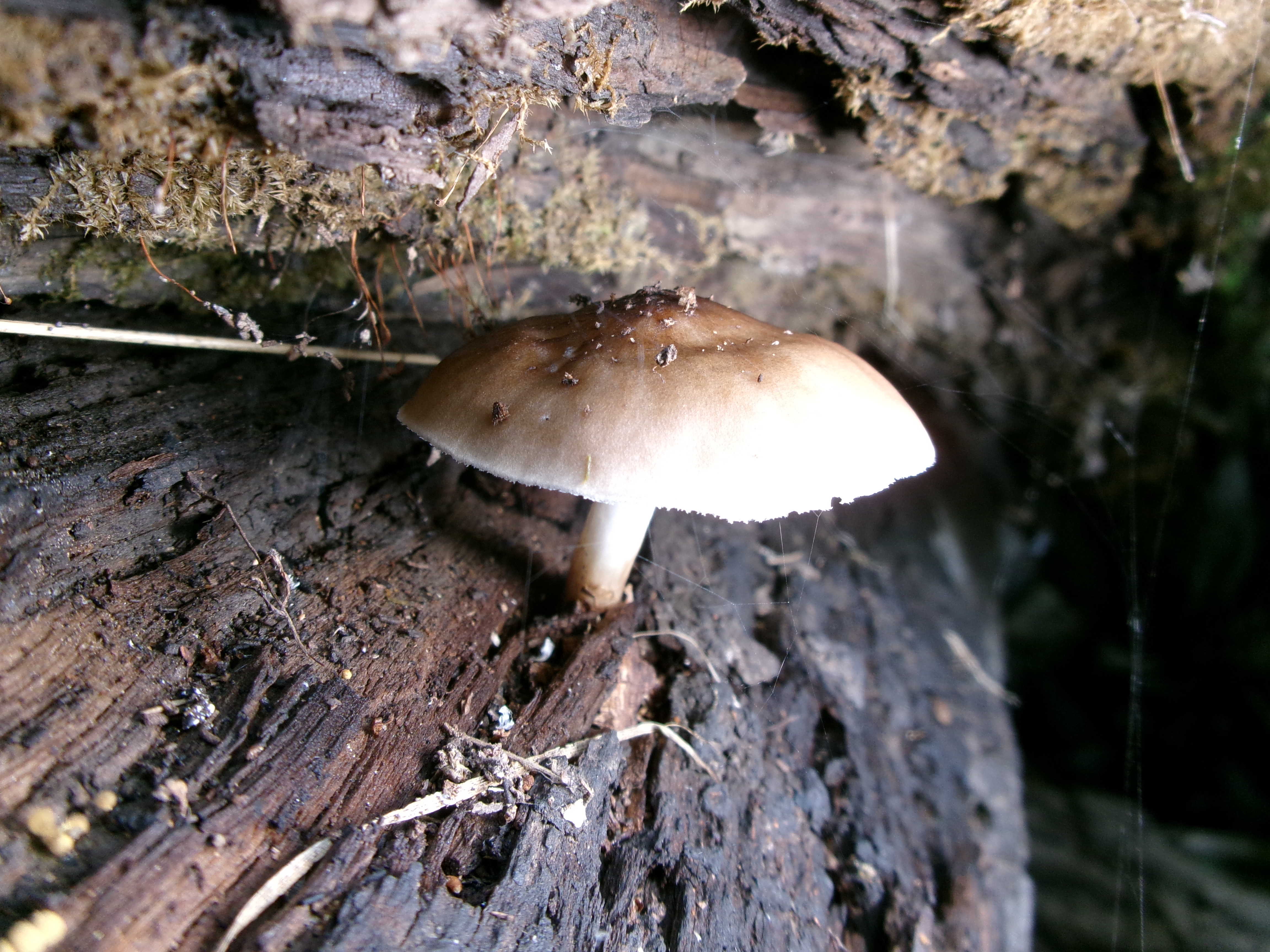
Logan Spader Observations:
DNA Sequenced Observations:
https://www.inaturalist.org/observations/218521442 (greyish cap)
https://www.inaturalist.org/observations/181988841 (young, wrinkled)
Comments:
- Insanely common.
- If you plan to consume this mushroom TRIPLE CHECK that you aren’t mixing it up with the nearly identical look-alikes: P. americanus and P. saupei.
- Smells like rotting wood and dirt. Tastes like dirt. (tastes great when cooked though!)
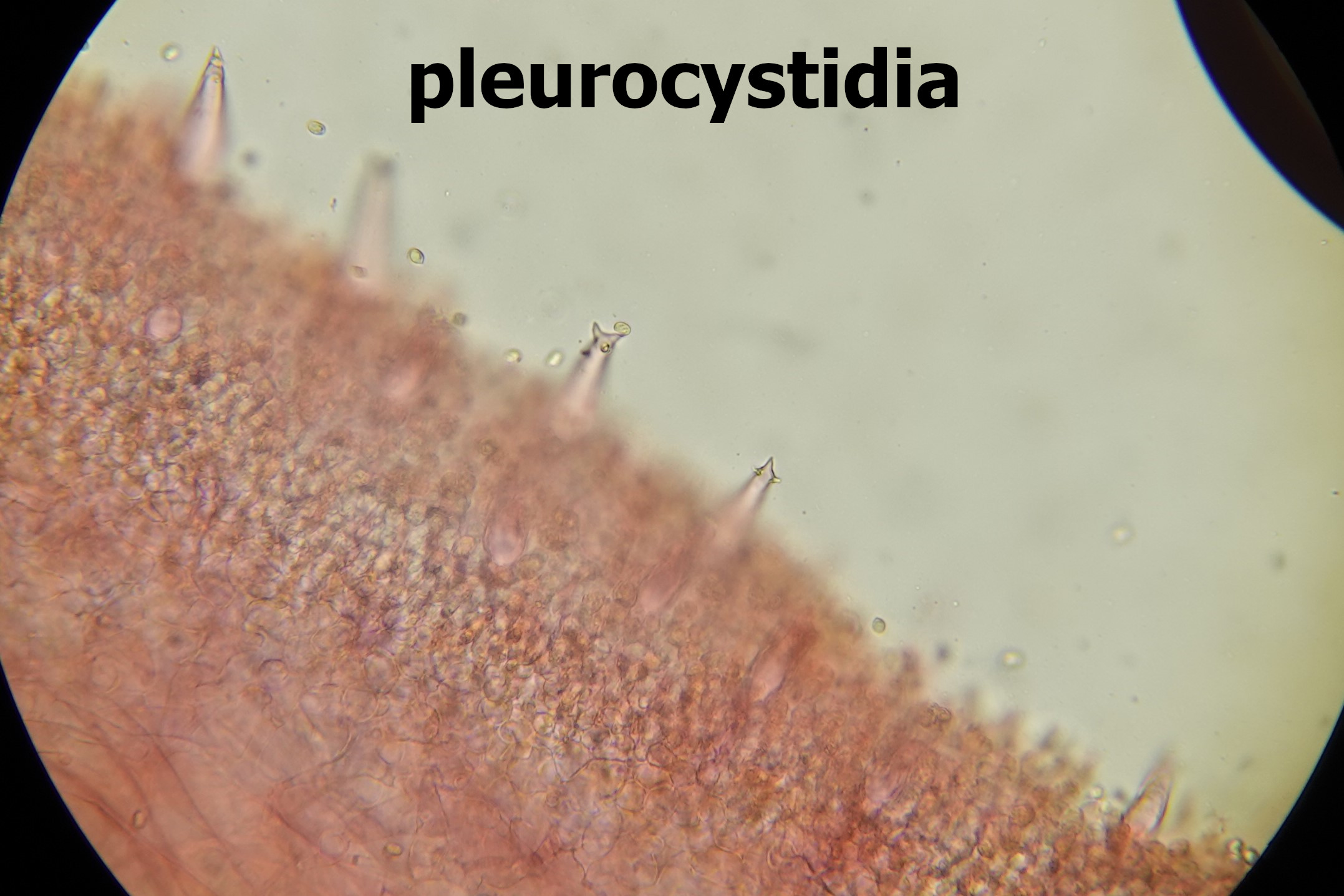
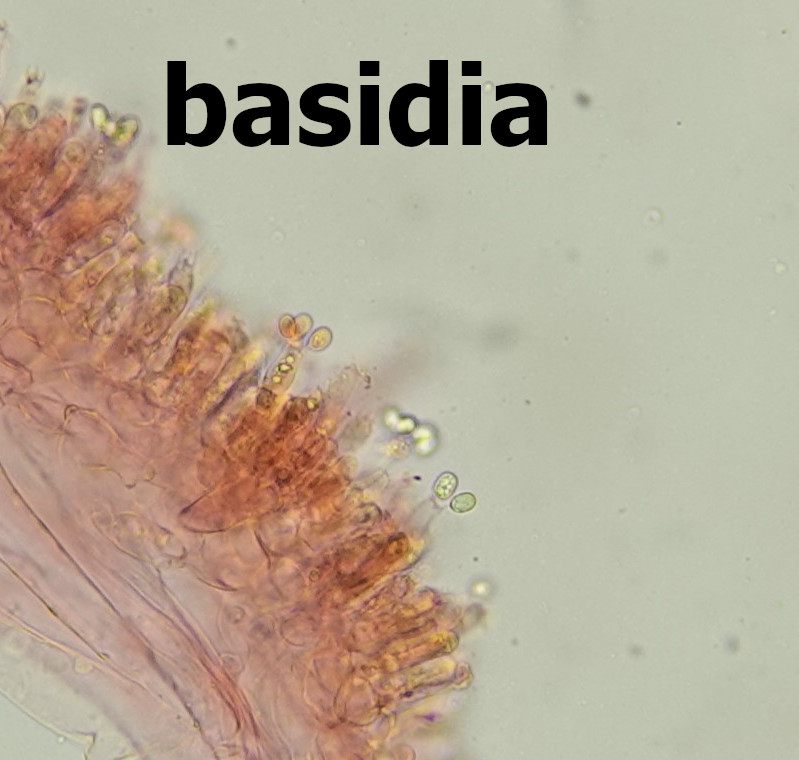
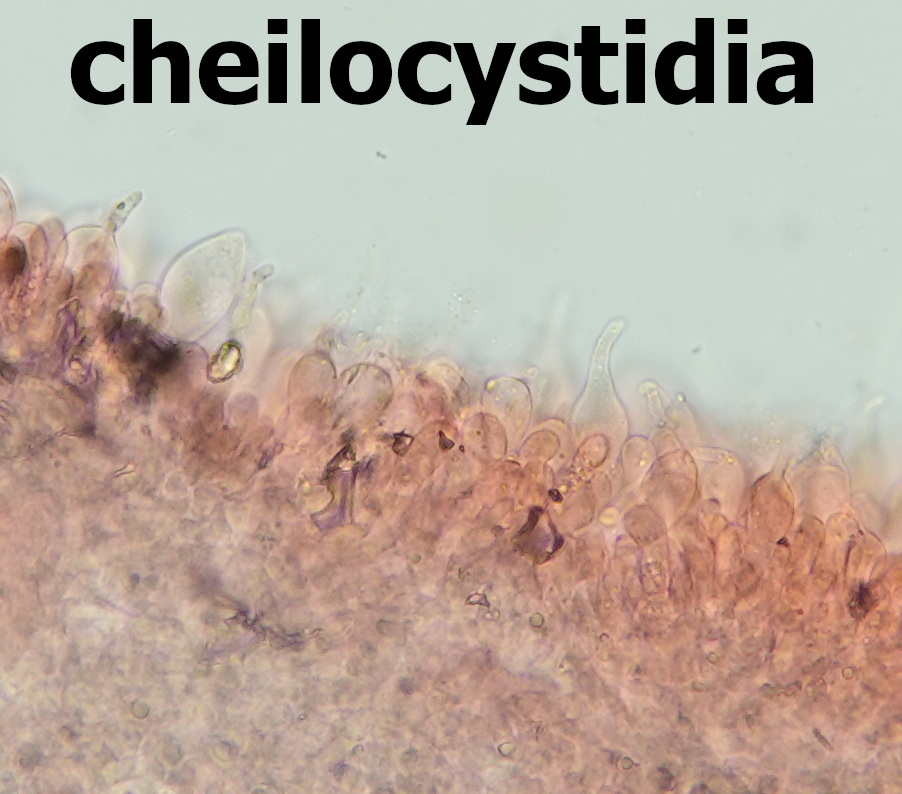
- P. hongoi has pleurocystidia with bifid apex (double split?). P. cervinus is “entire”. (Justo 2014, 17)
- P. hongoi less likely to have glabrous (bald) stem.
- In its most typical form Pluteus hongoi can be separated from P. cervinus, with which it shares much of its distribution, by the following characters: pale pileus, stipe usually without distinct longitudinal fibrils or squamules, hooks on the pleurocystidia bifid, cheilocystidia not forming a well-developed and continuous strip along the lamellar edge… DNA sequenced P. hongoi observations only seen as far west as Michigan (map).
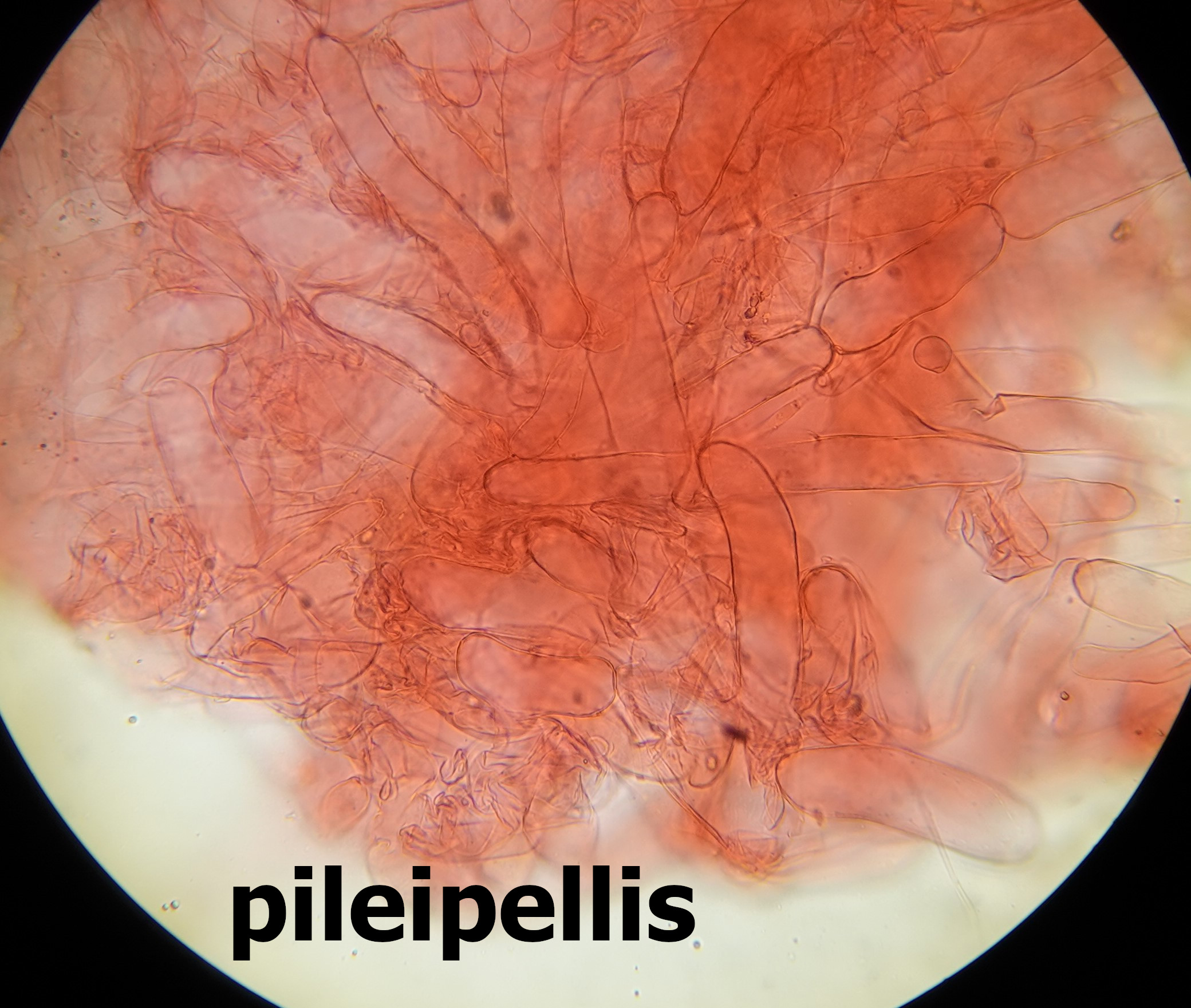
Pluteus chrysophlebius
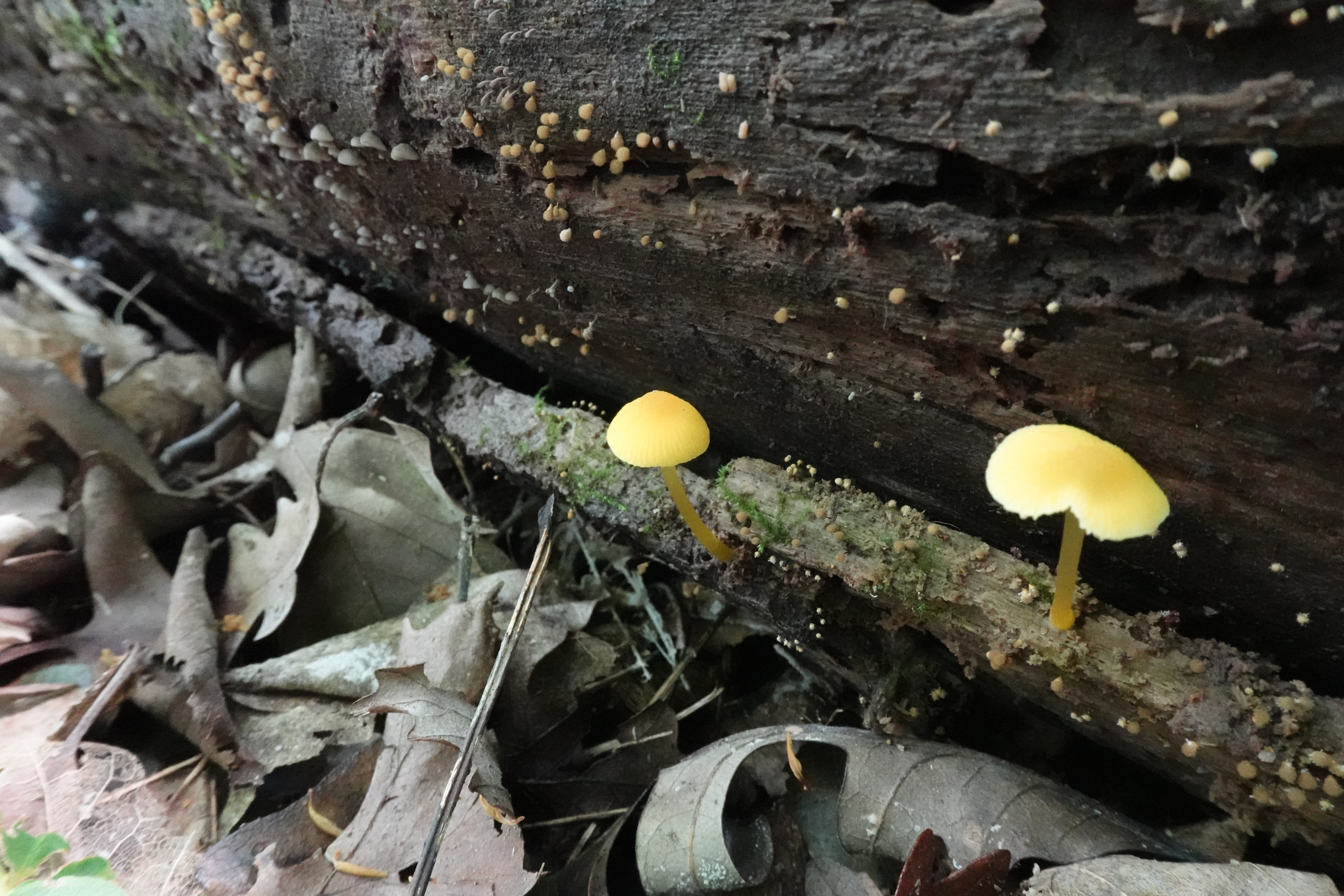
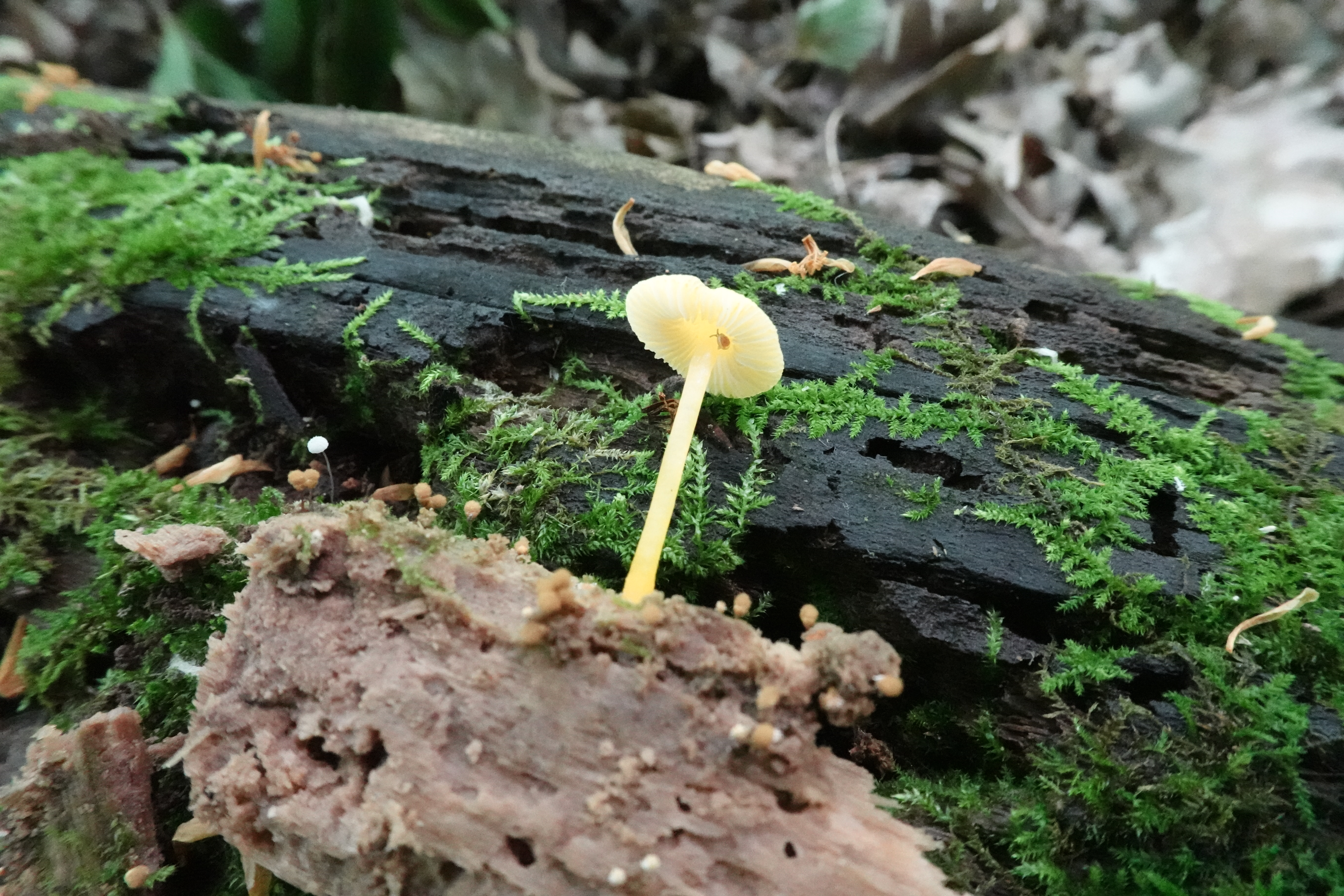
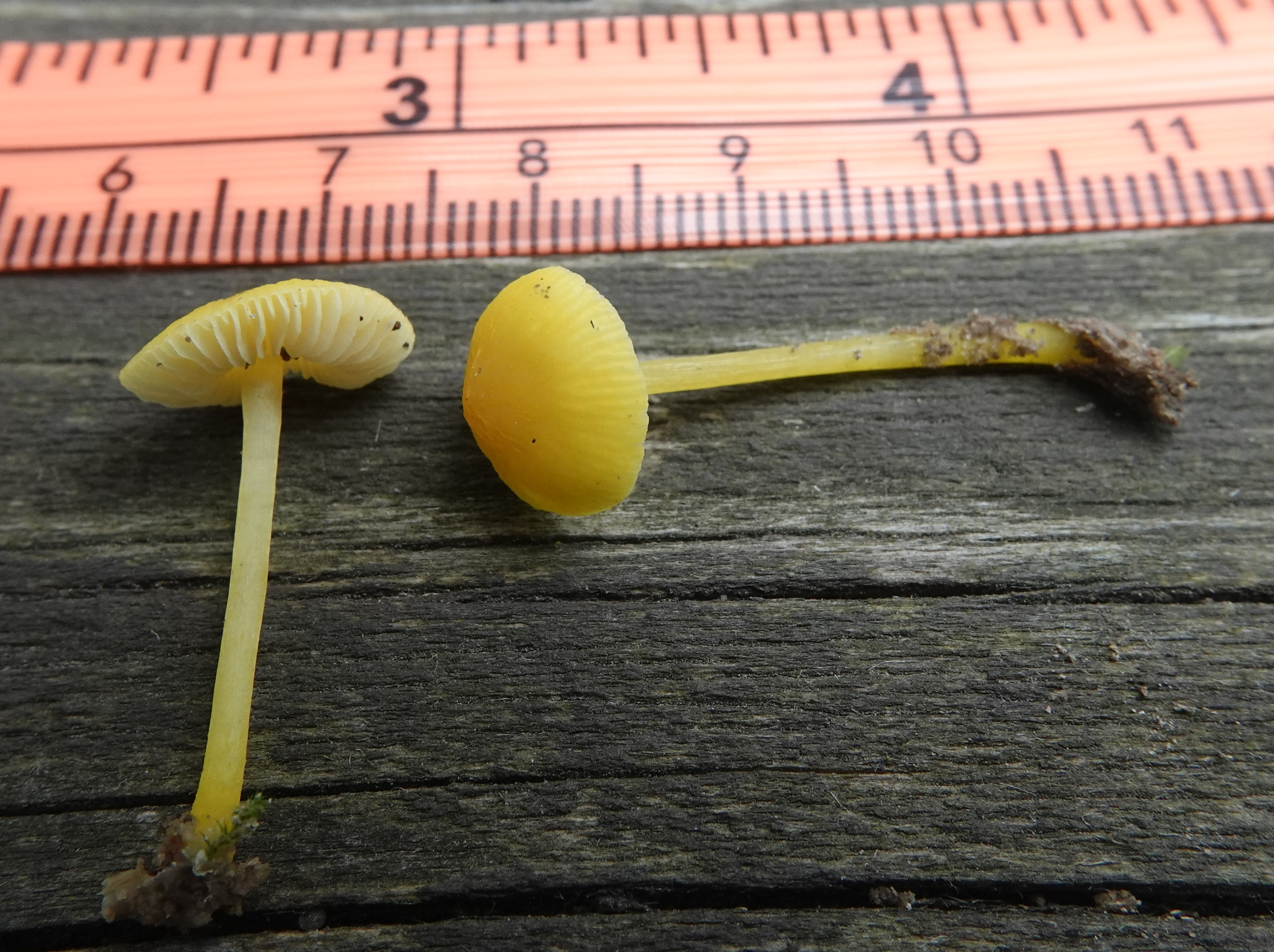
Logan Spader Observations:
https://www.inaturalist.org/observations/300563763
DNA Sequenced Observations:
https://www.inaturalist.org/observations/239547434 (nearly reticulate cap center)
https://www.inaturalist.org/observations/178618865 (large specimen)
https://www.inaturalist.org/observations/239544292 (absolutely zero yellow)
Comments:
- Bright yellow, hard to miss
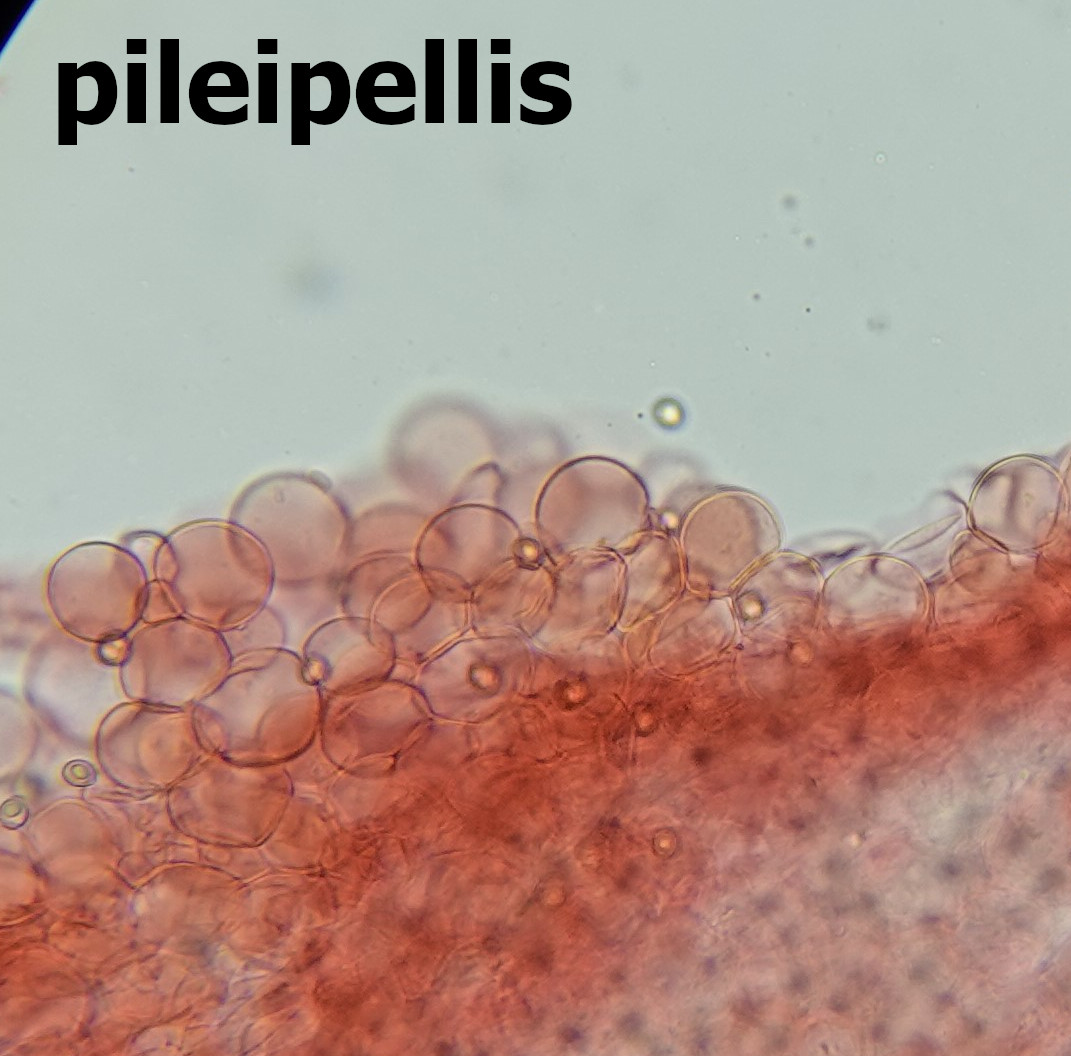
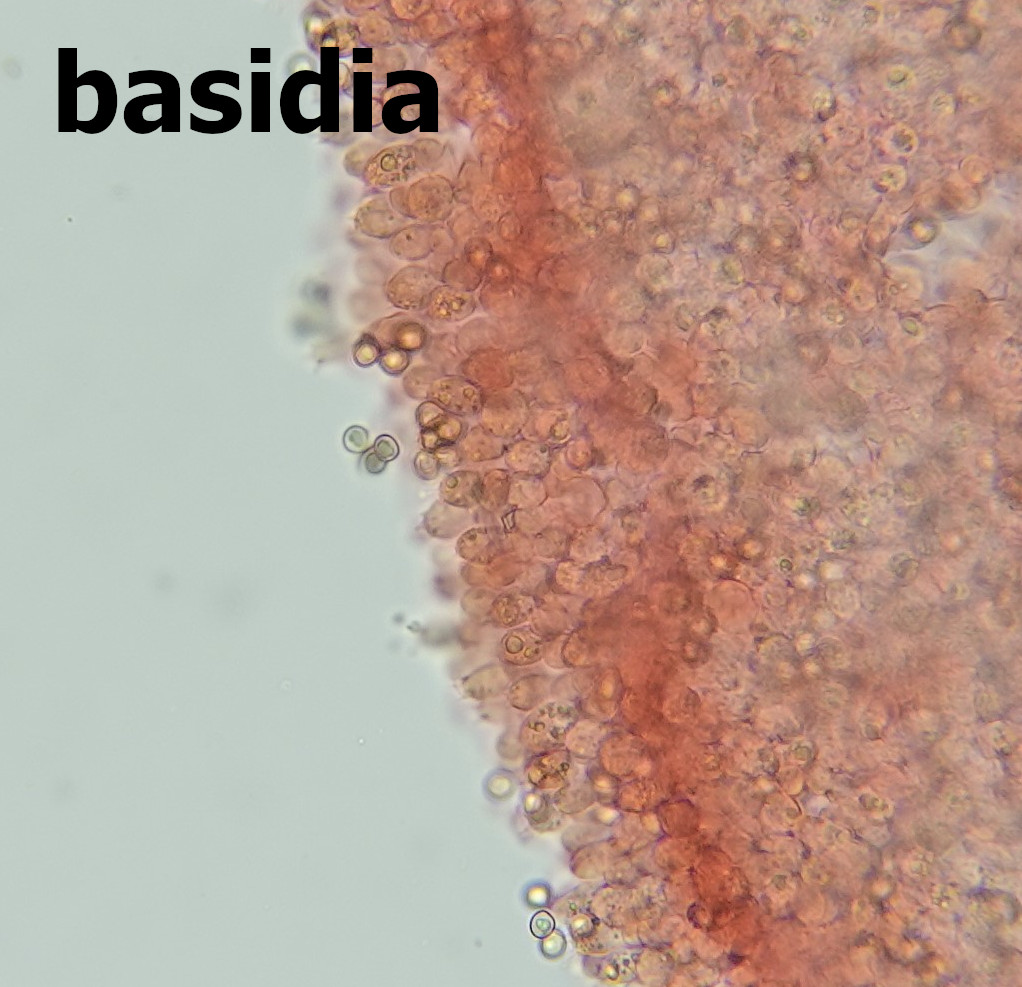
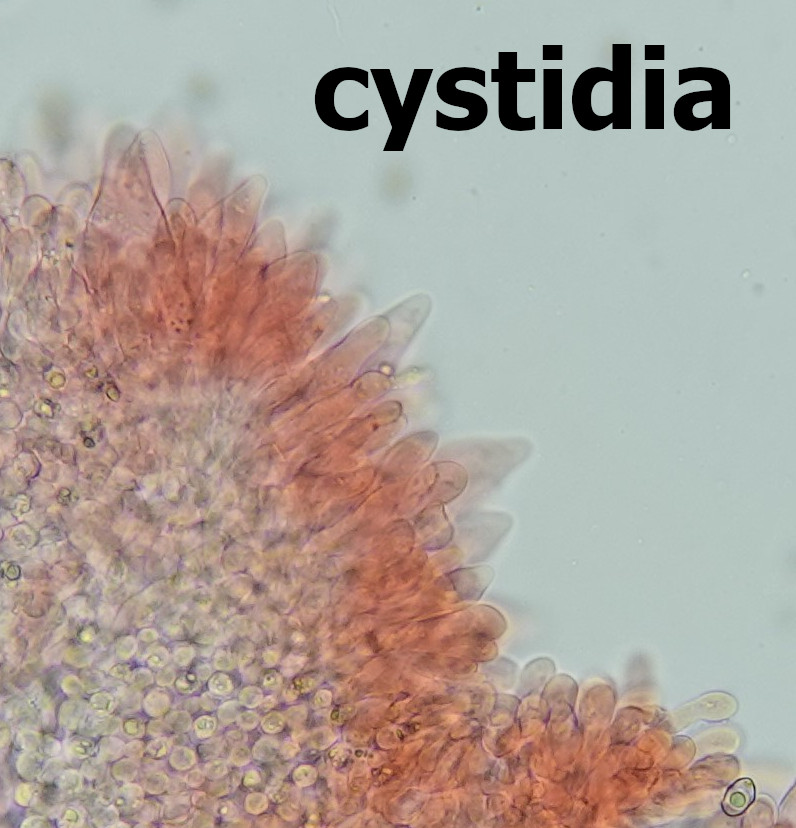
Pluteus granularis
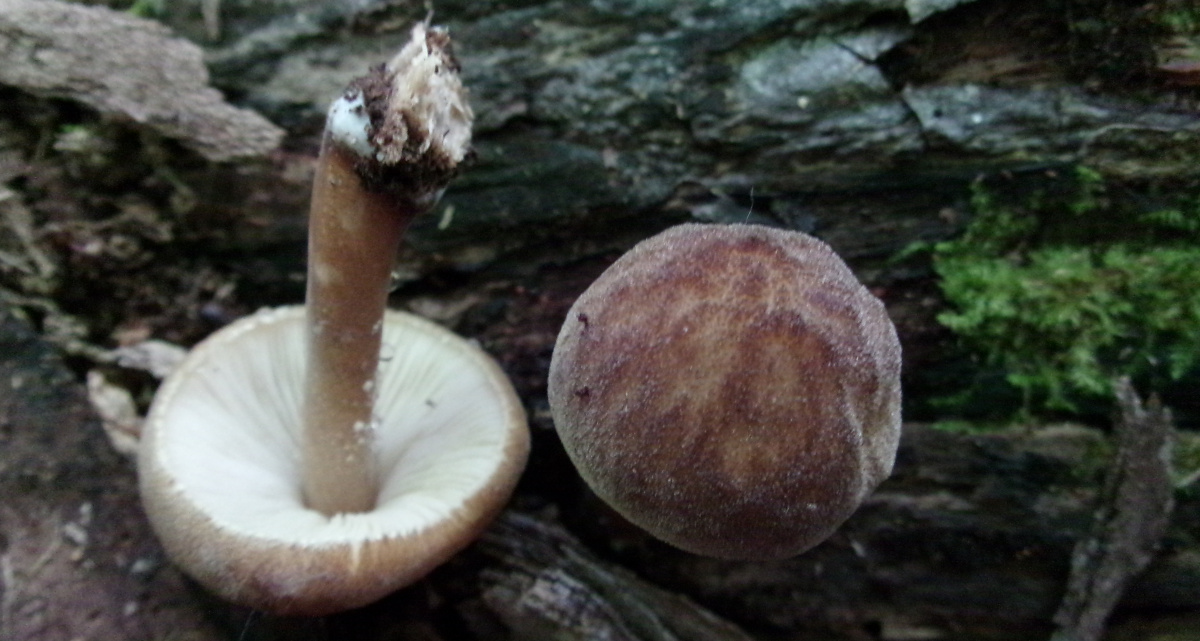
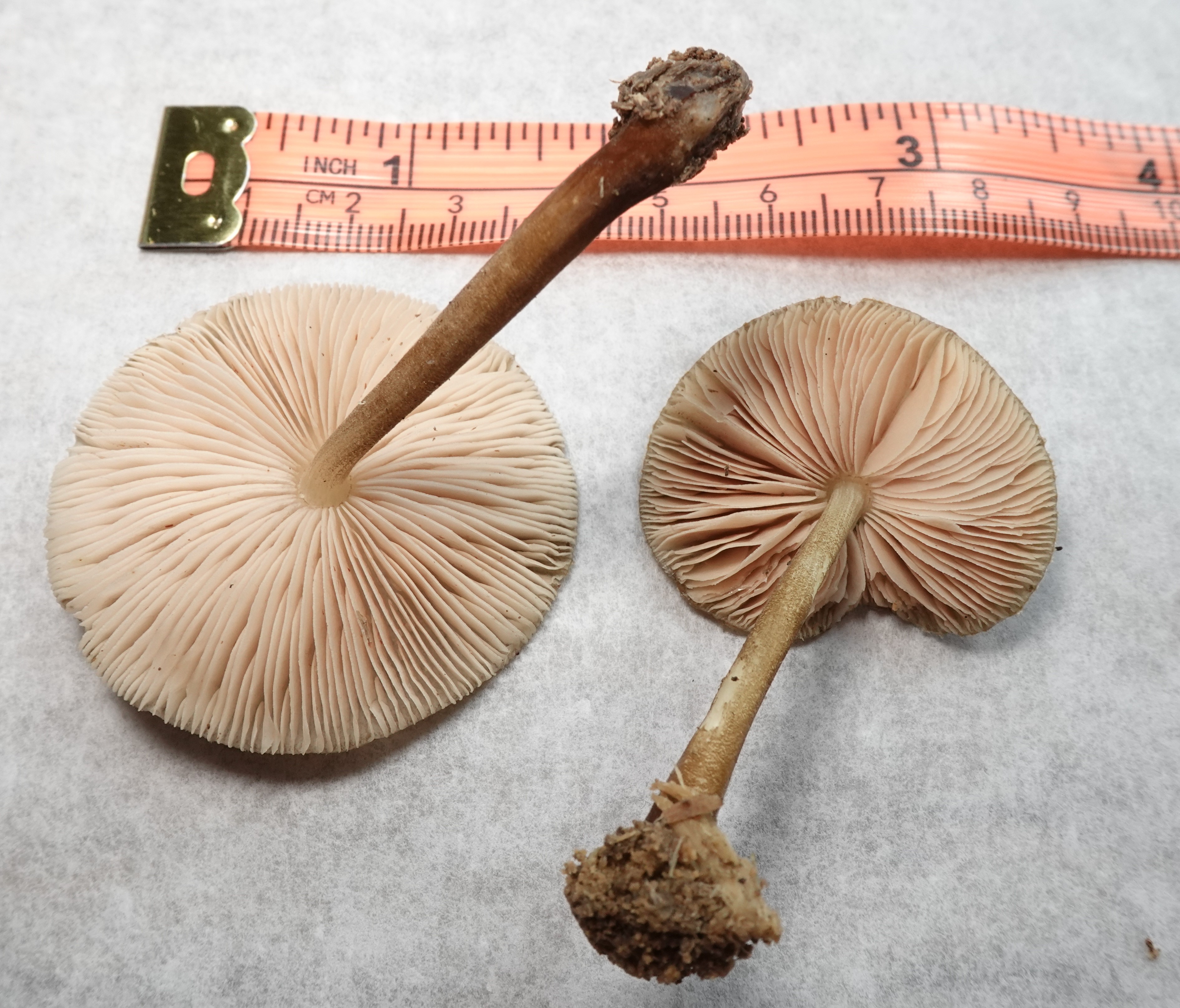
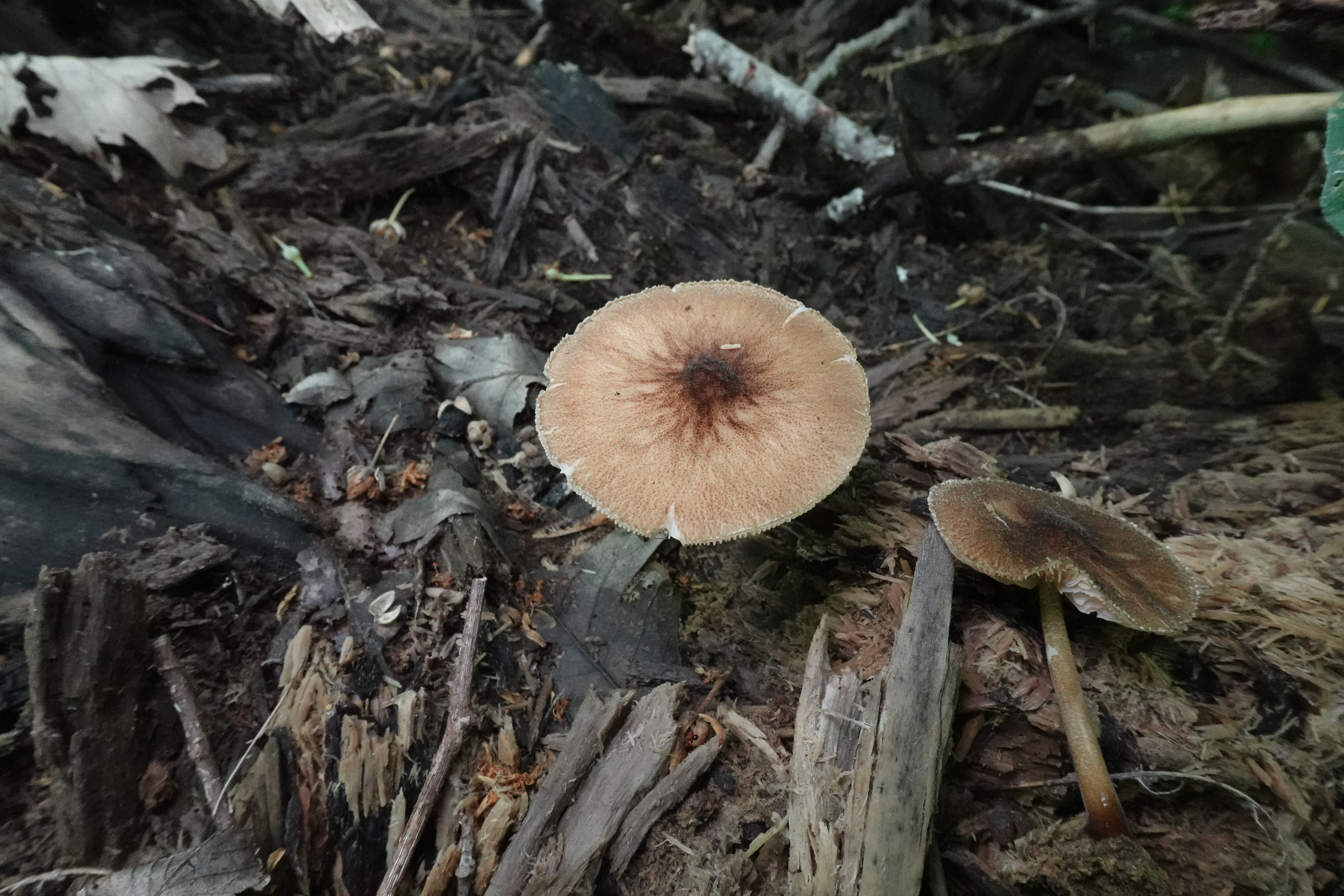
Logan Spader Observations:
https://www.inaturalist.org/observations/299967535
DNA Sequenced Observations:
https://www.inaturalist.org/observations/197364304 (great microscopy)
https://www.inaturalist.org/observations/99044777 (albino variant)
Comments:
- Cap covered in dark granules with a wrinkled or reticulate center.
- Found multiple times at one single location in MN

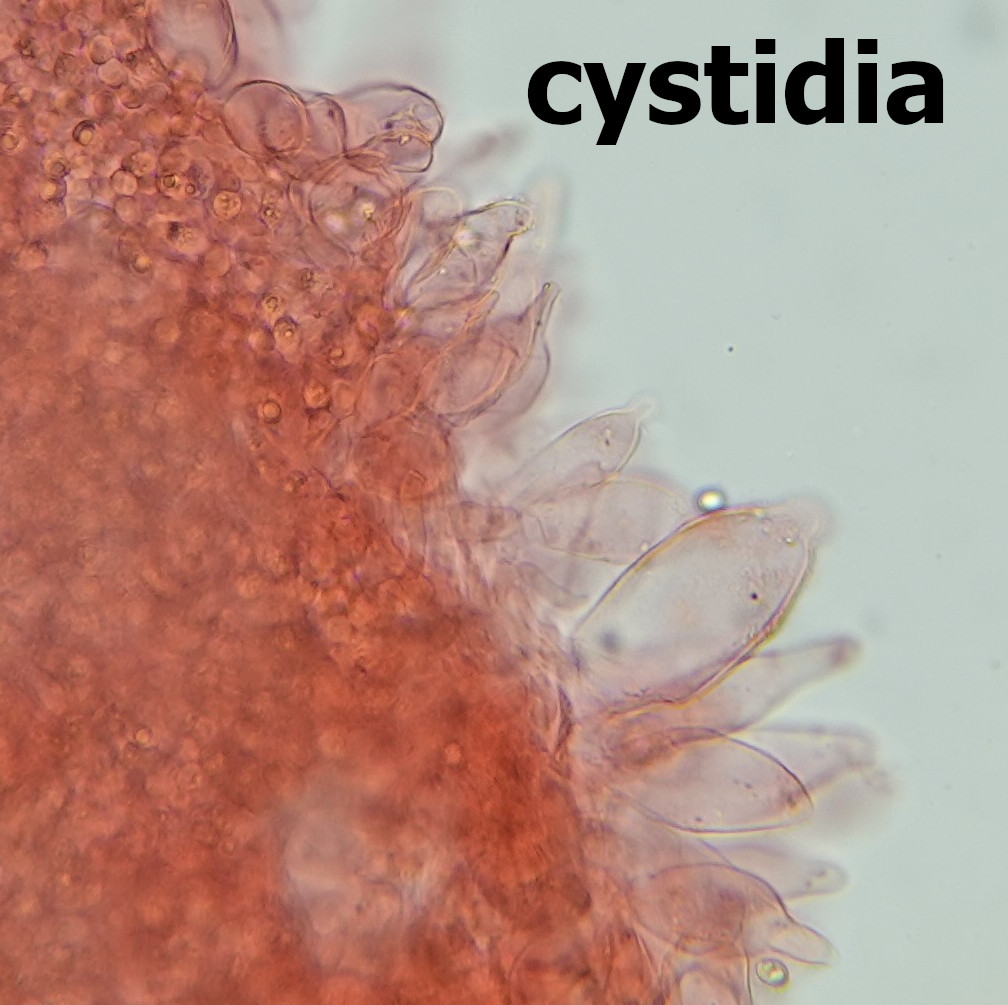
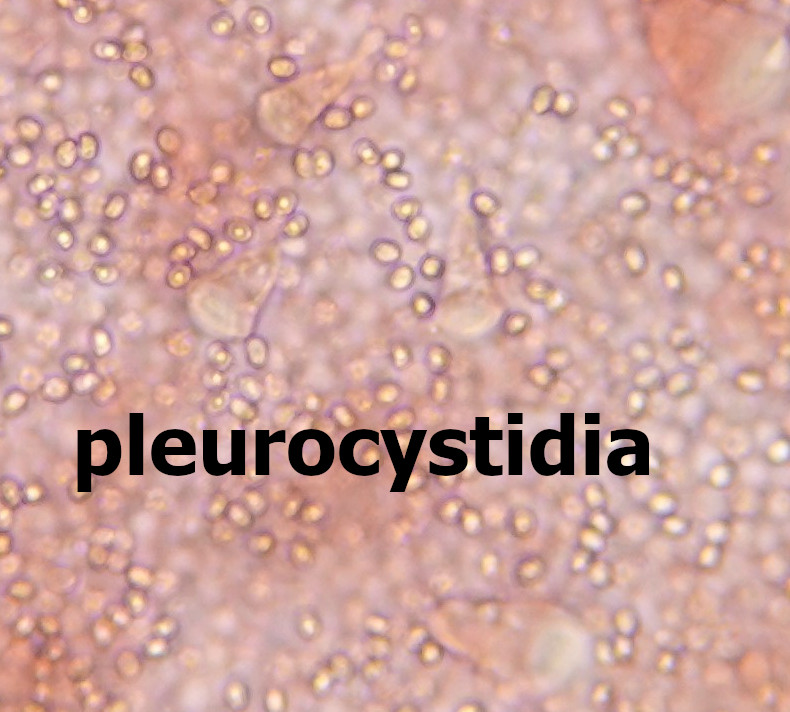
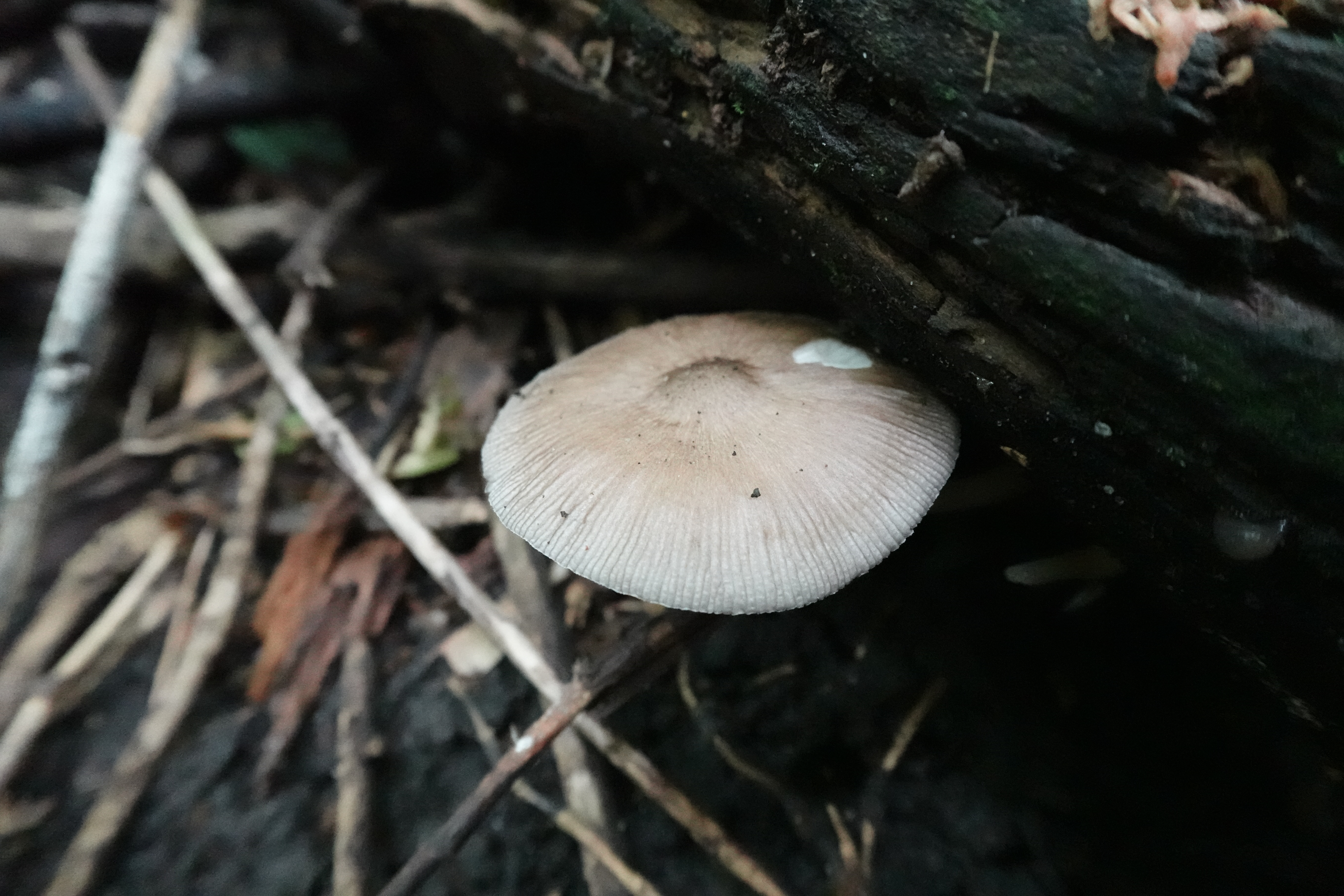
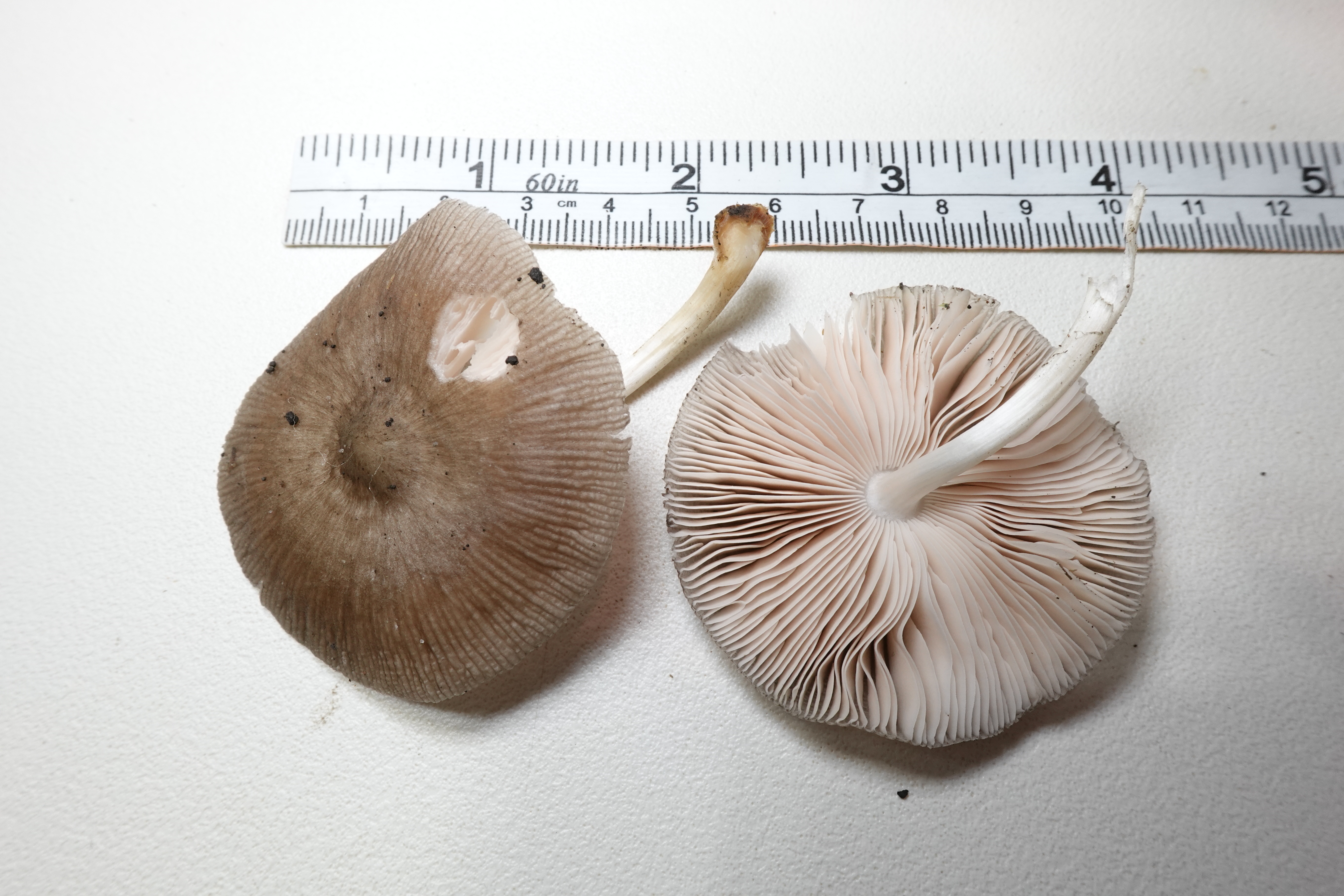
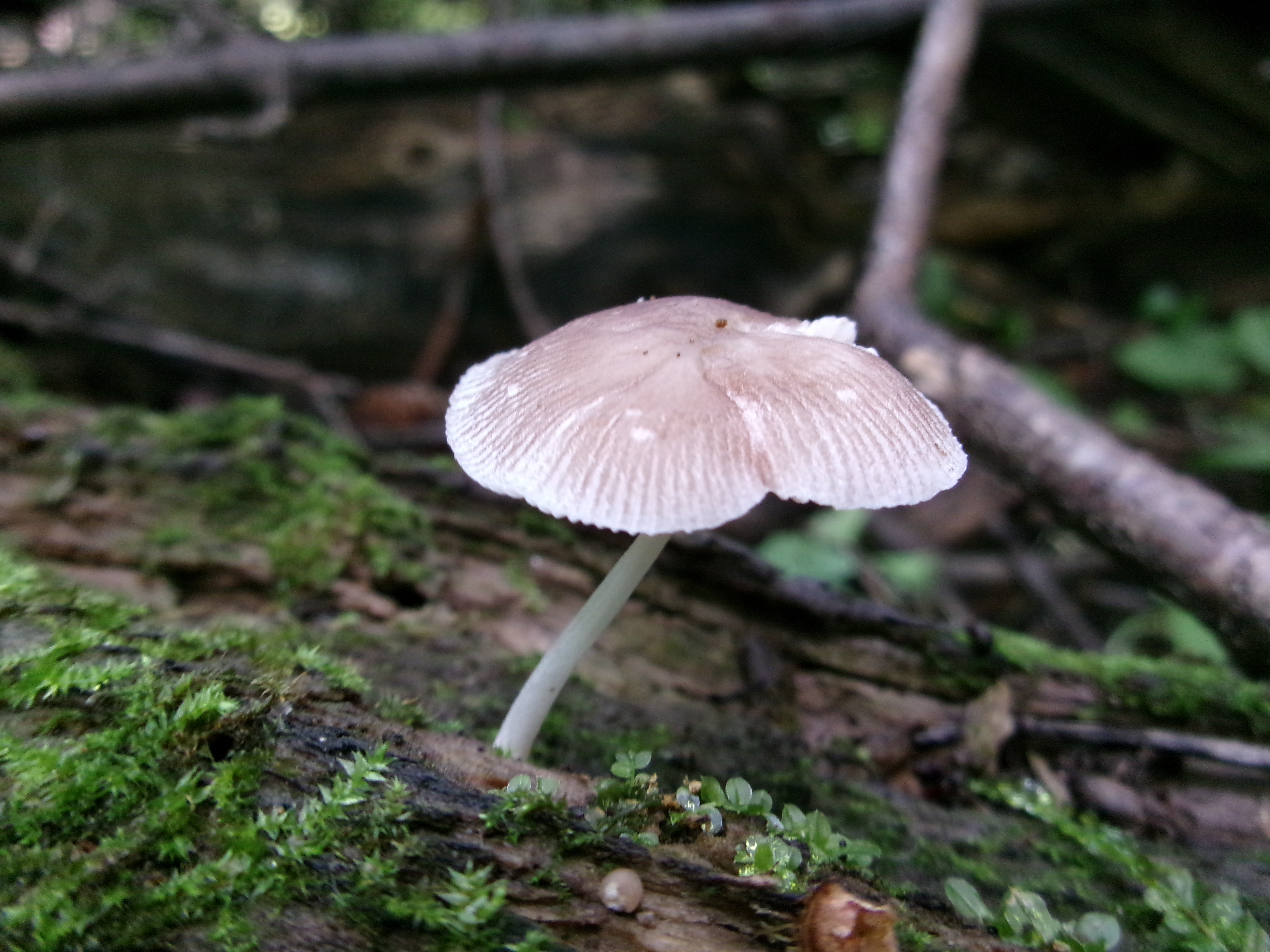
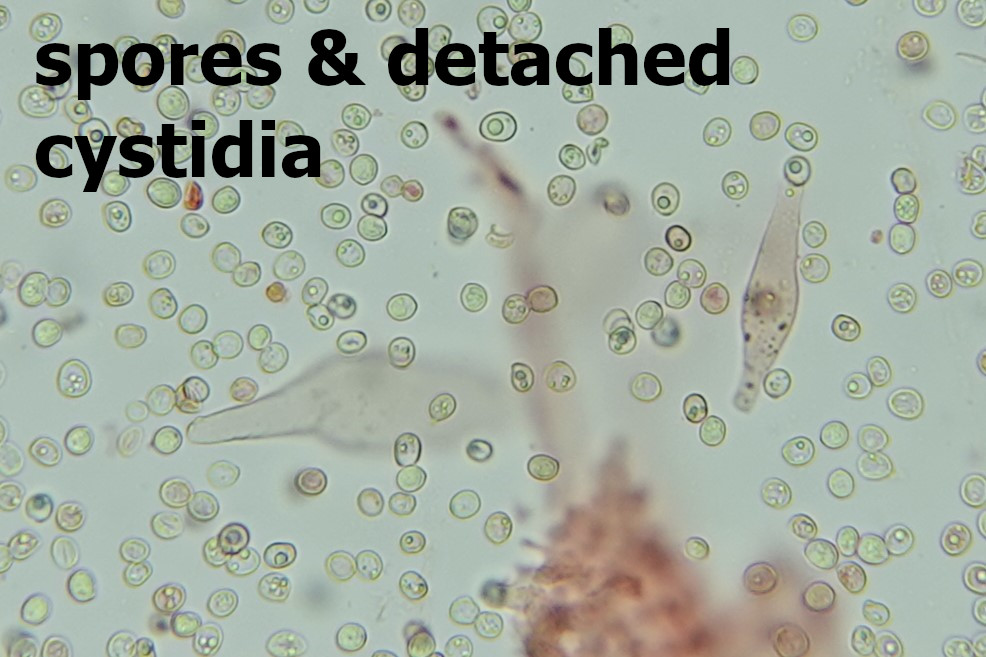
Pluteus longistriatus
Logan Spader Observations:
https://www.inaturalist.org/observations/303896329
https://www.inaturalist.org/observations/296930009
DNA Sequenced Observations:
https://www.inaturalist.org/observations/127161327 (reverse umbonate cap)
https://www.inaturalist.org/observations/235968693 (large fruiting)
Comments:
- Striate margin all the way to cap center. Macroscopically similar to P. seticeps.

Pluteus petasatus
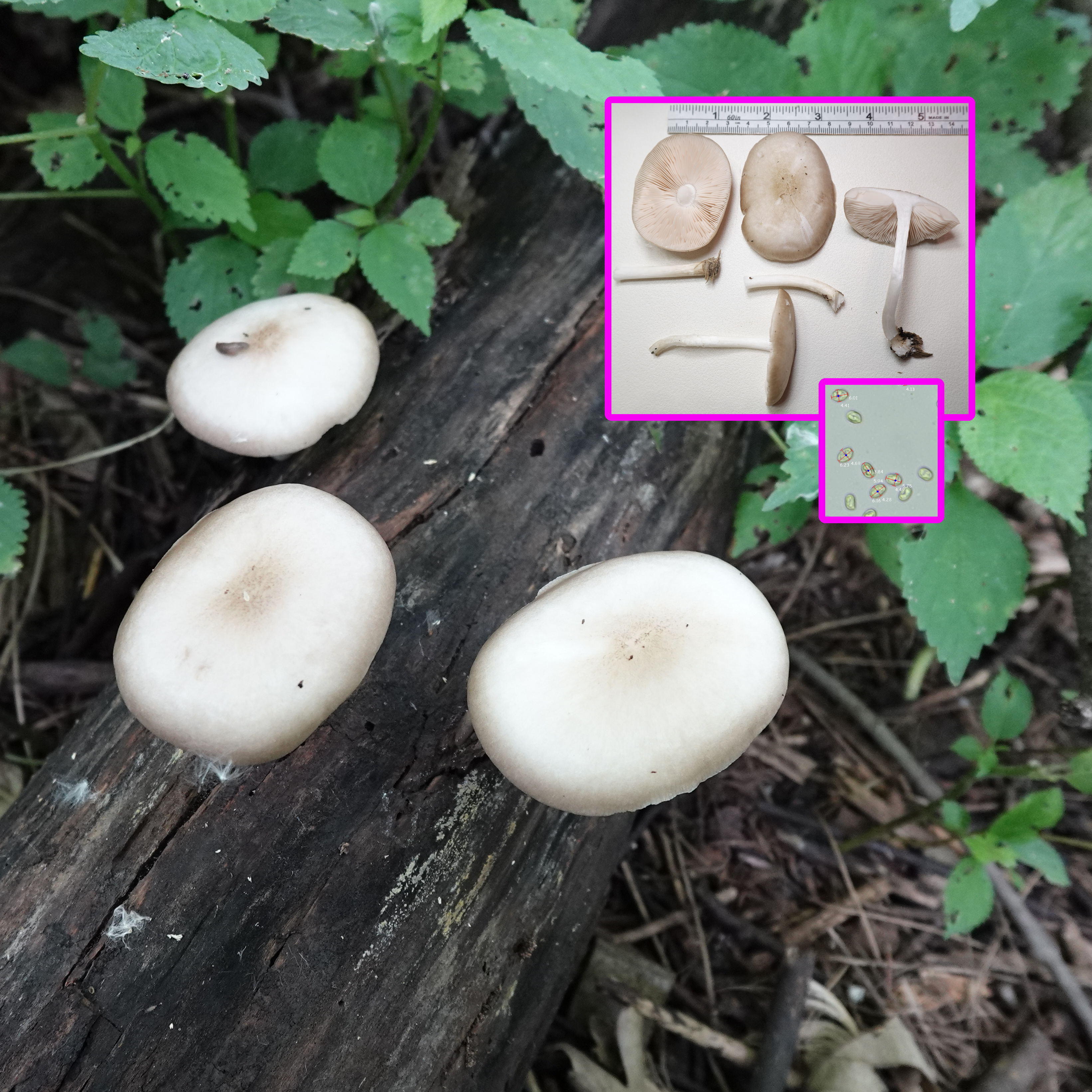
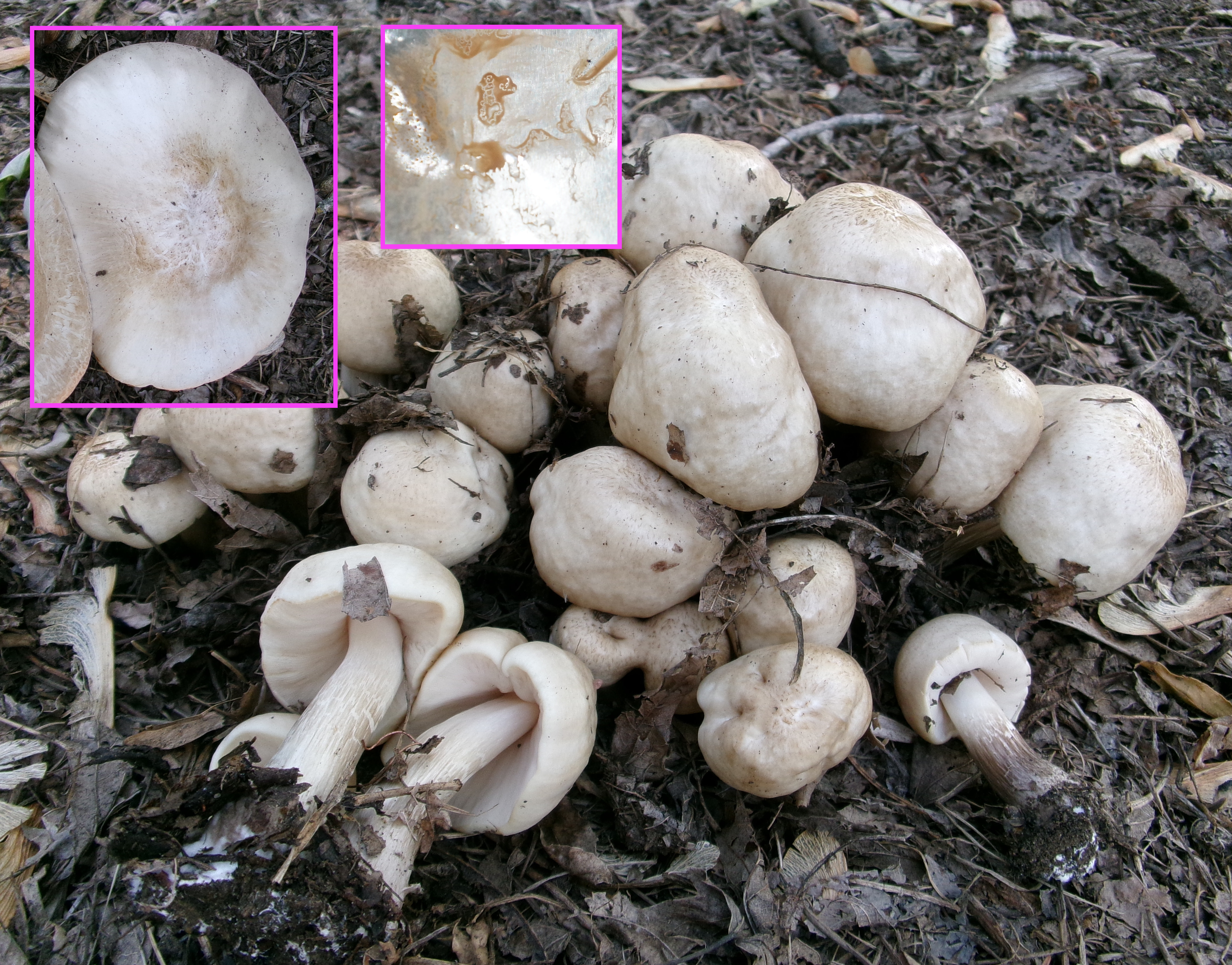
Logan Spader Observations:
https://www.inaturalist.org/observations/298268844
https://www.inaturalist.org/observations/239421090
https://www.inaturalist.org/observations/190514734
DNA Sequenced Observations:
https://www.inaturalist.org/observations/250709569 (very brown cap)
https://www.inaturalist.org/observations/201016581 (many caps, tight growth)
https://www.inaturalist.org/observations/34710569 (microscopy)
https://www.inaturalist.org/observations/183614043 (squamose)
Comments:
- “In contrast to the great variation in external appearance, the microscopic characters of Pluteus petasatus are rather constant and can be helpful for identification. P. petasatus can be separated from other taxa without clamp connections in the pileipellis by the combination of: basidiospores relatively short and narrow (on average, 6.1–7.0 × 4.2–4.8 μm); intermediate cystidia predominantly fusiform and without apical hooks; cheilocystidia usually scattered and not forming a continuous strip; pileipellis with a gelatinous matrix at least in the most external part.” (Justo 2014, 54)
- “At one extreme of the morphological variation of Pluteus petasatus are the collections with smooth and viscid pileus and at the other extreme are the collections with distinctly squamose (covered with coarse [adpressed] scales) and dry pileus.”
- Complex P. petasatus: https://www.inaturalist.org/observations/239538022 Pluteus leucoborealis
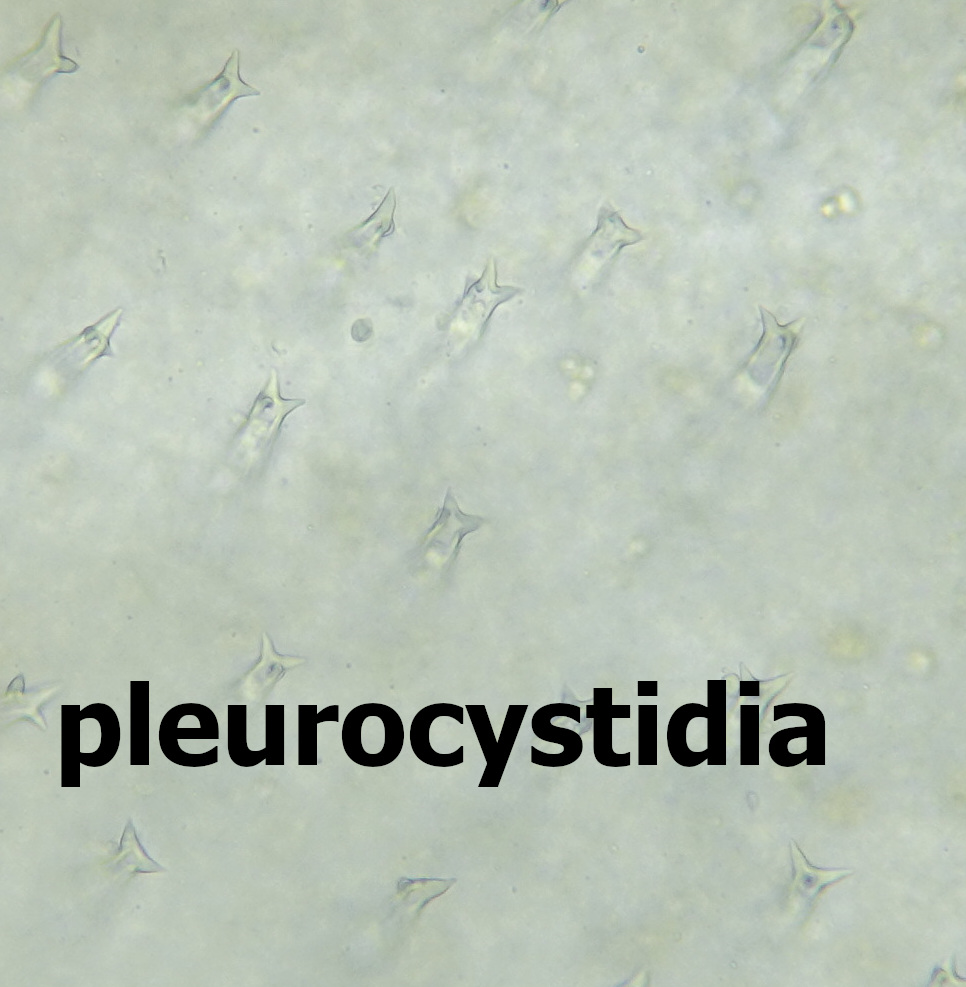
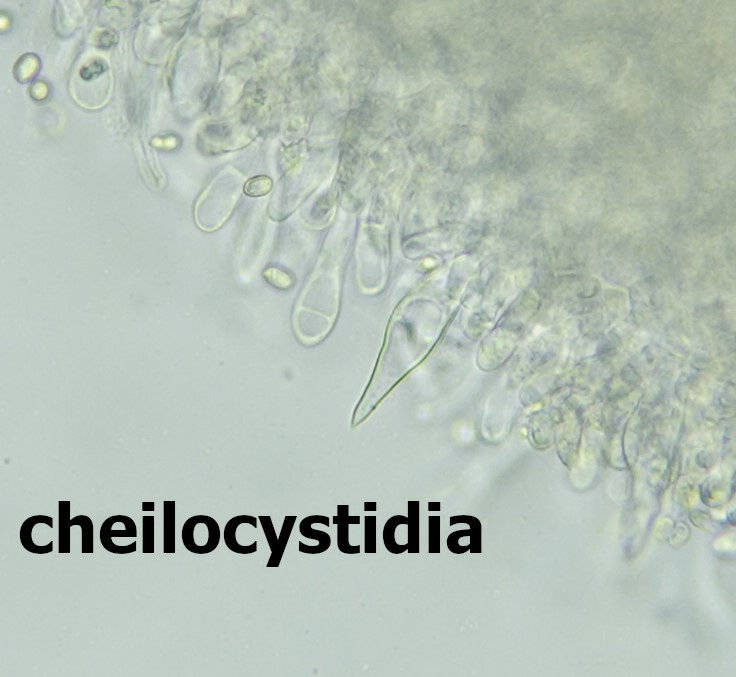
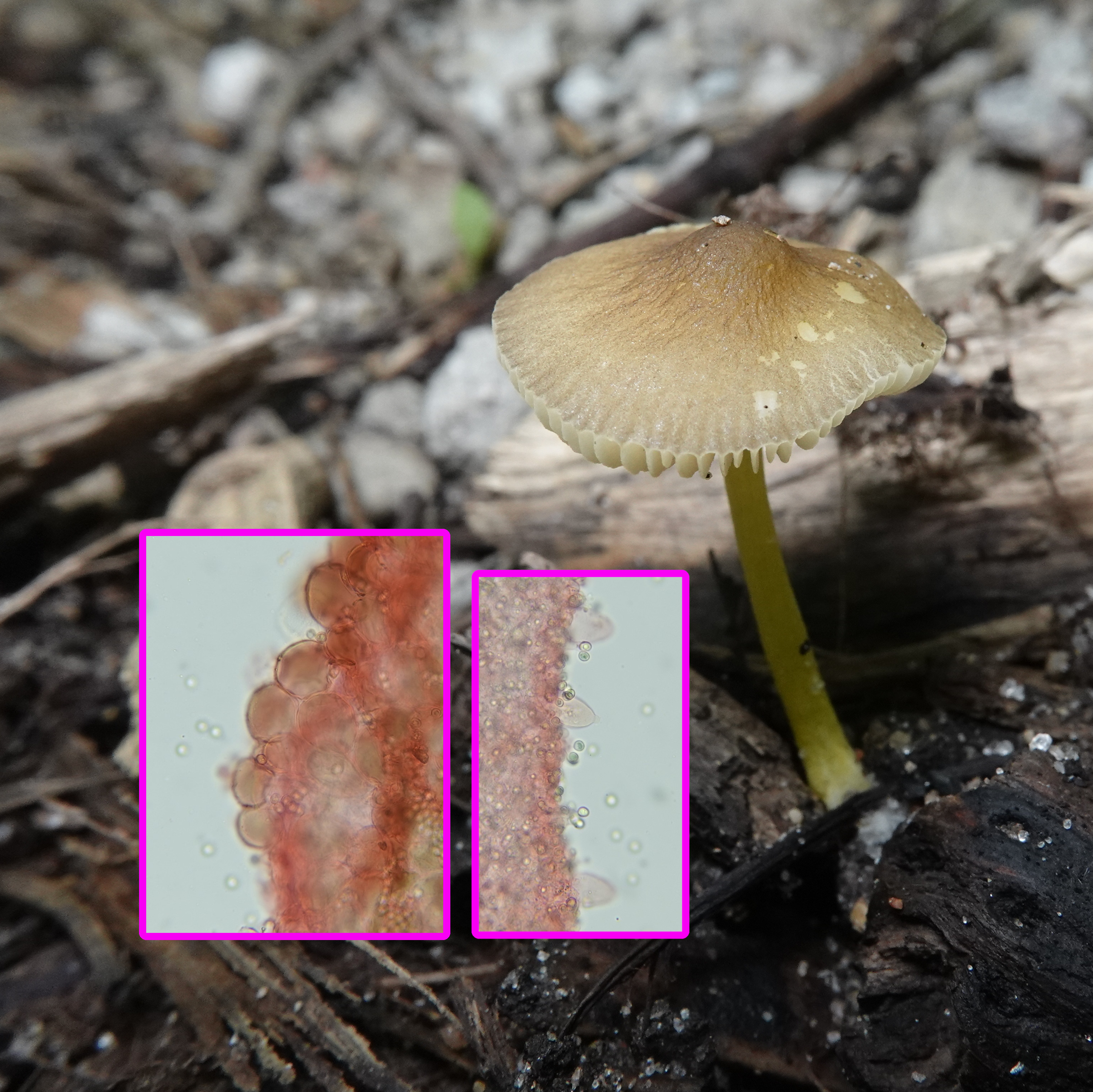
Pluteus romellii
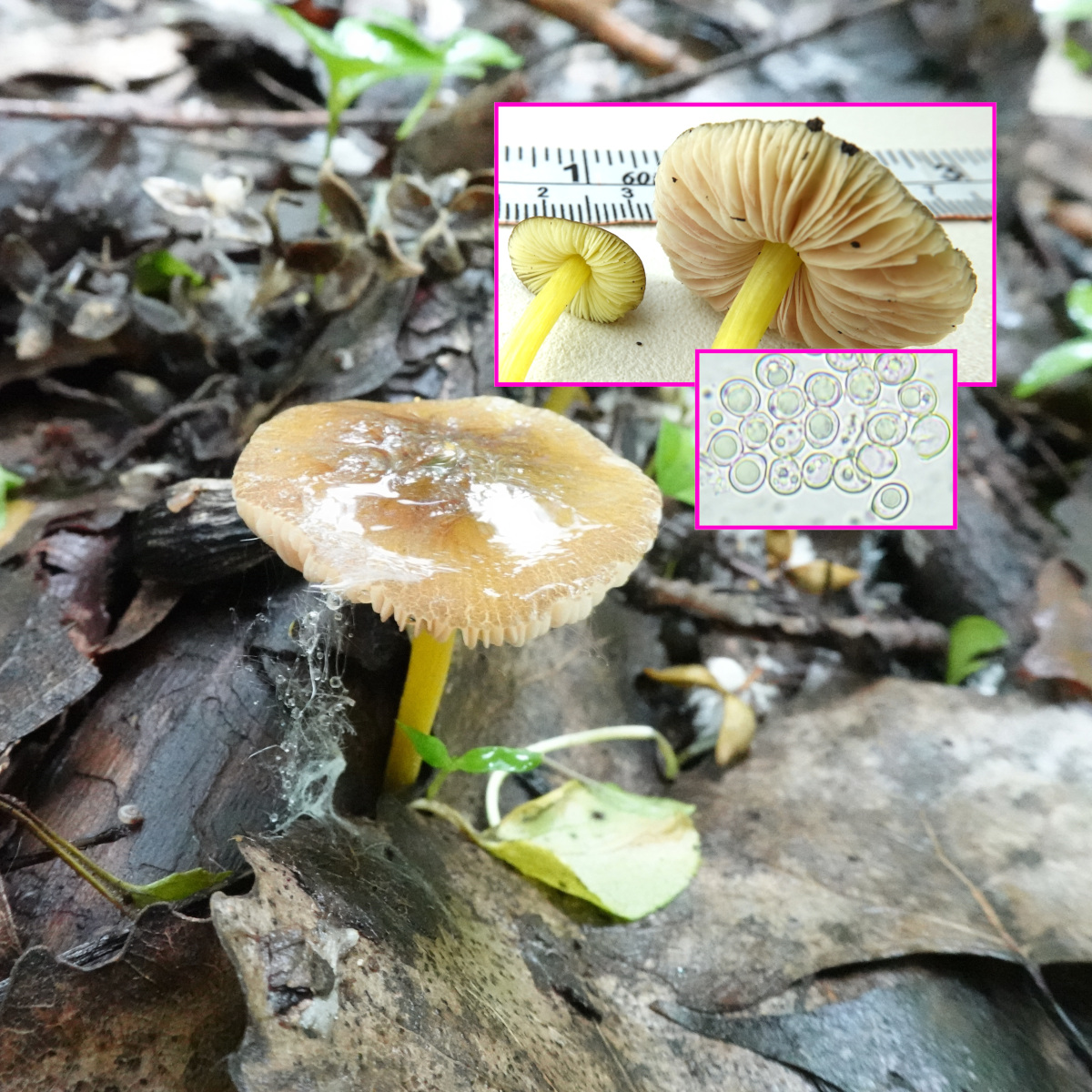
Logan Spader Observations:
https://www.inaturalist.org/observations/299966259
https://www.inaturalist.org/observations/225909936
DNA Sequenced Observations:
NONE on iNat!
Comments:
Similar bright yellow colors to P. chrysophlebius but the cap is a brownish color.
Pluteus saupei

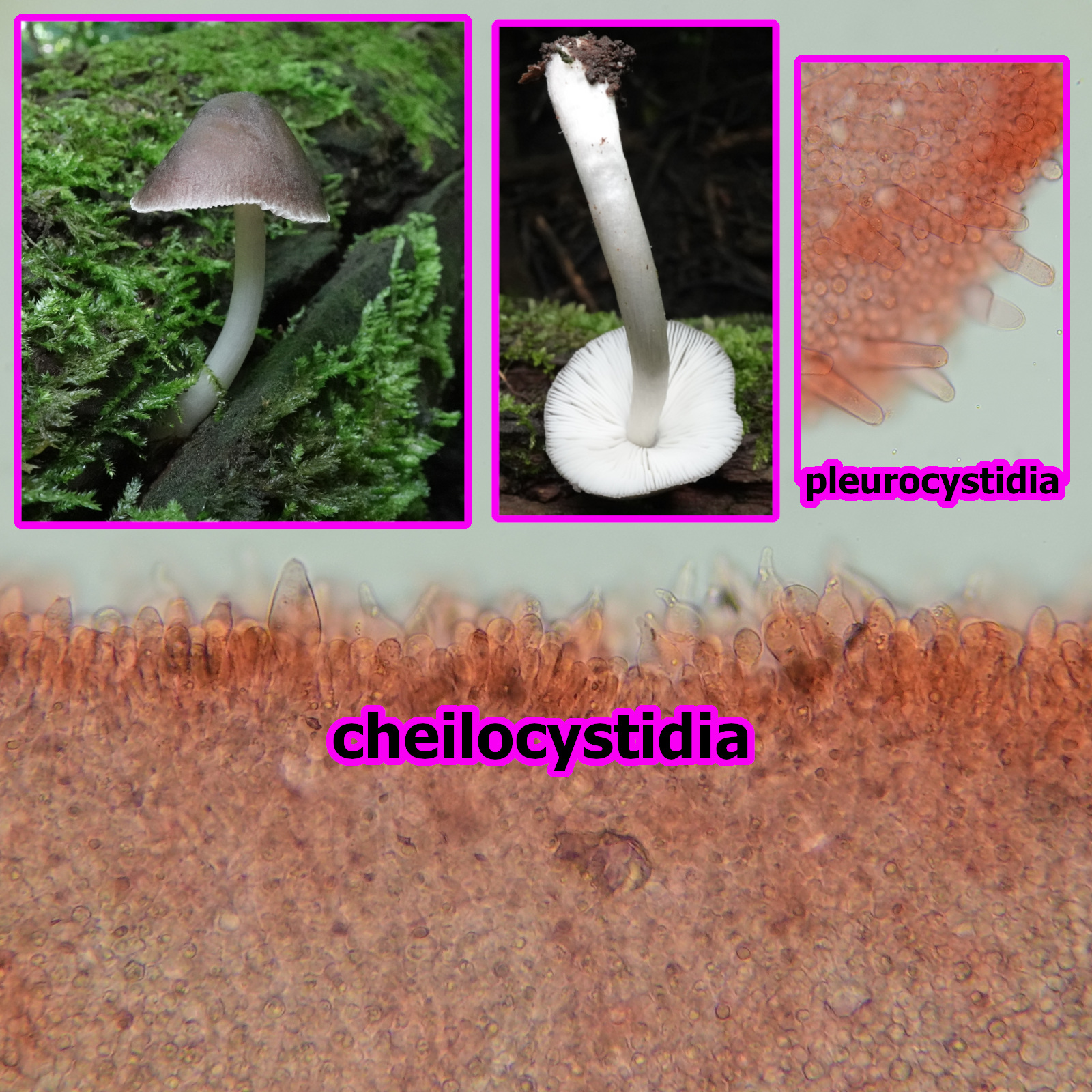
Logan Spader’s Observations:
https://www.inaturalist.org/observations/226280263 (DNA sequenced)
https://www.inaturalist.org/observations/300566095
DNA Sequenced Observations:
https://www.inaturalist.org/observations/246343204 (microscopy)
Comments:
- Lacks apical hooks on pleurocystidia
- I have found this species at almost all of the same locations as my P. americanus observations but didn’t know it was P. saupei until checking under the microscope.
Pluteus seticeps

DNA Sequenced Observations:
https://www.inaturalist.org/observations/6998918 (microscopy)
https://www.inaturalist.org/observations/167412228 (velvety cap)
https://www.inaturalist.org/observations/232175527 (big tight cluster)
Comments:
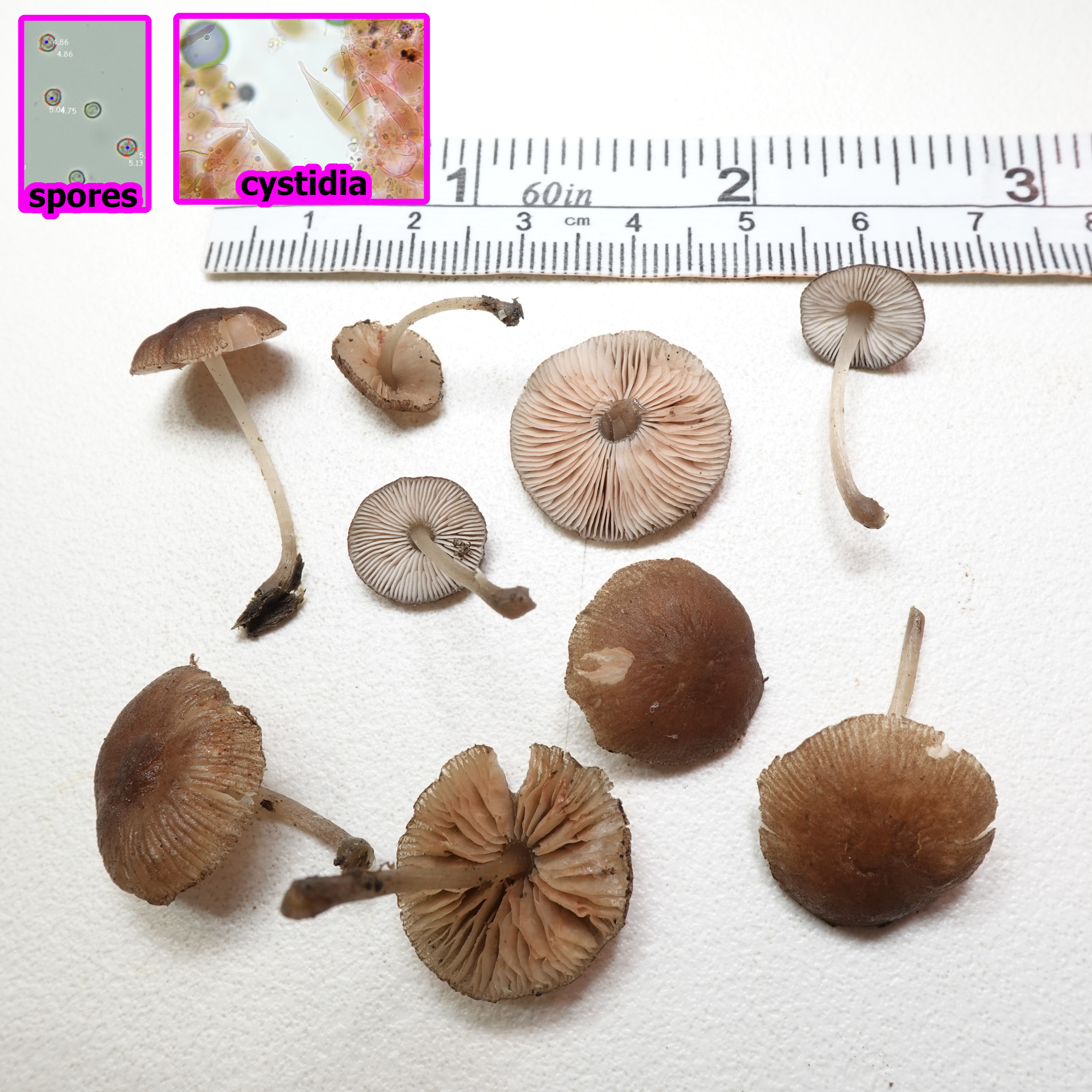
- Easily mixed up with small P. longistriatus but the pileipellis is cellular instead of a cutis.
- “Pleurocystidia absent from lamellar faces” (link)
- Investigate -> “Overall, the texture of the pileus of the specimens in the pictures points to sect. Celluloderma, rather than sect. Pluteus”
Pluteus tomentosulus
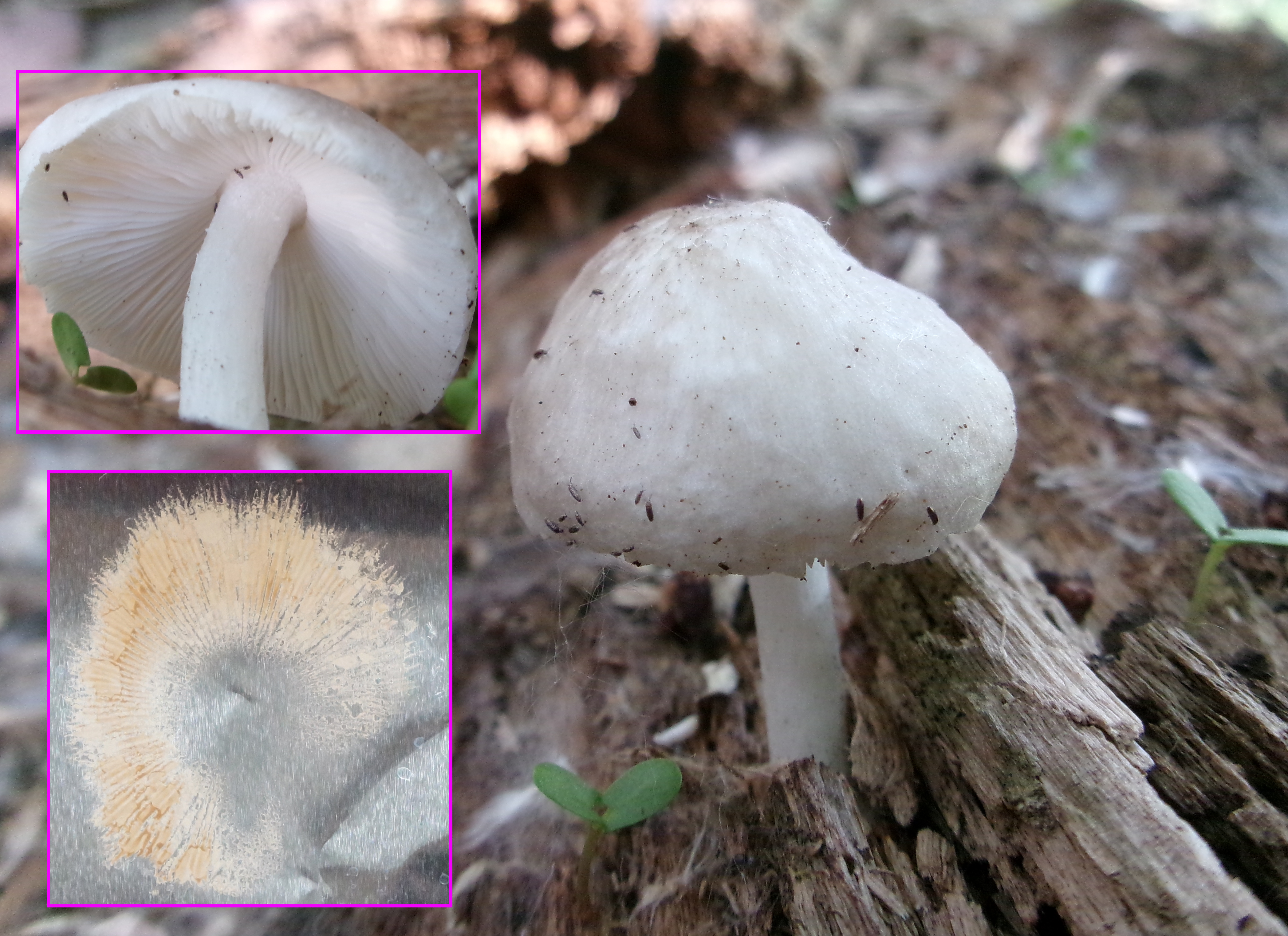
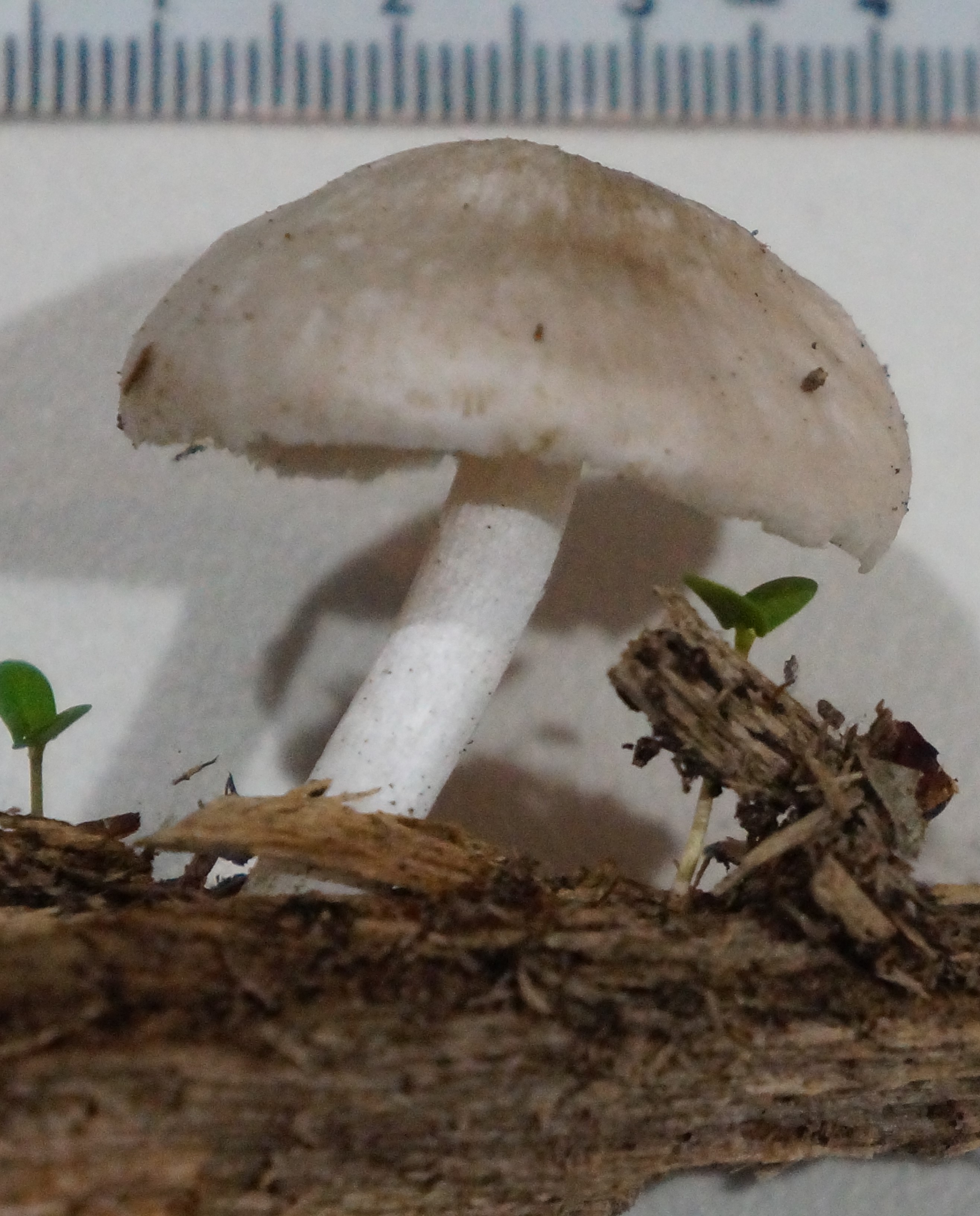
DNA Sequenced Observations:
https://www.inaturalist.org/observations/121336219 (includes microscopy)
https://www.inaturalist.org/observations/197370699 (TONS of microscopy images)
Comments:
- Originally found in my early days of mushroom hunting. Will upload microscopy soon.
Pluteus that need species level ID

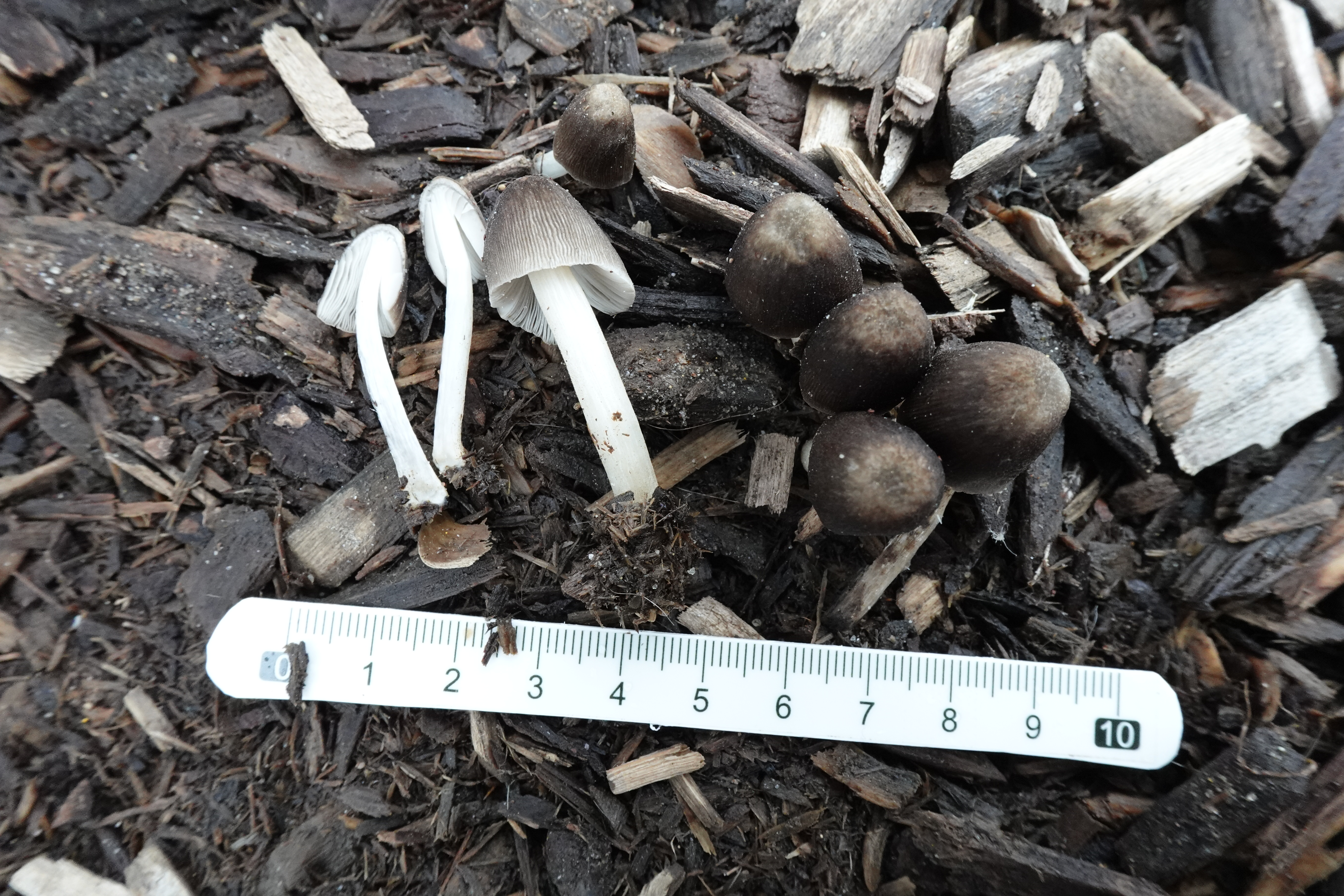
Tiny white Pluteus from MN:
https://www.inaturalist.org/observations/299716165
Pluteus subroseus is macroscopically almost indistinguishable from the species of P. plautus–P. semibulbosus complex but can be separated by the characteristic shape of pleurocystidia and distinctive nrITS sequences. link
https://www.mdpi.com/2309-608X/9/5/584
Large fruiting in woodchips at park near my home:
https://www.inaturalist.org/observations/223454696
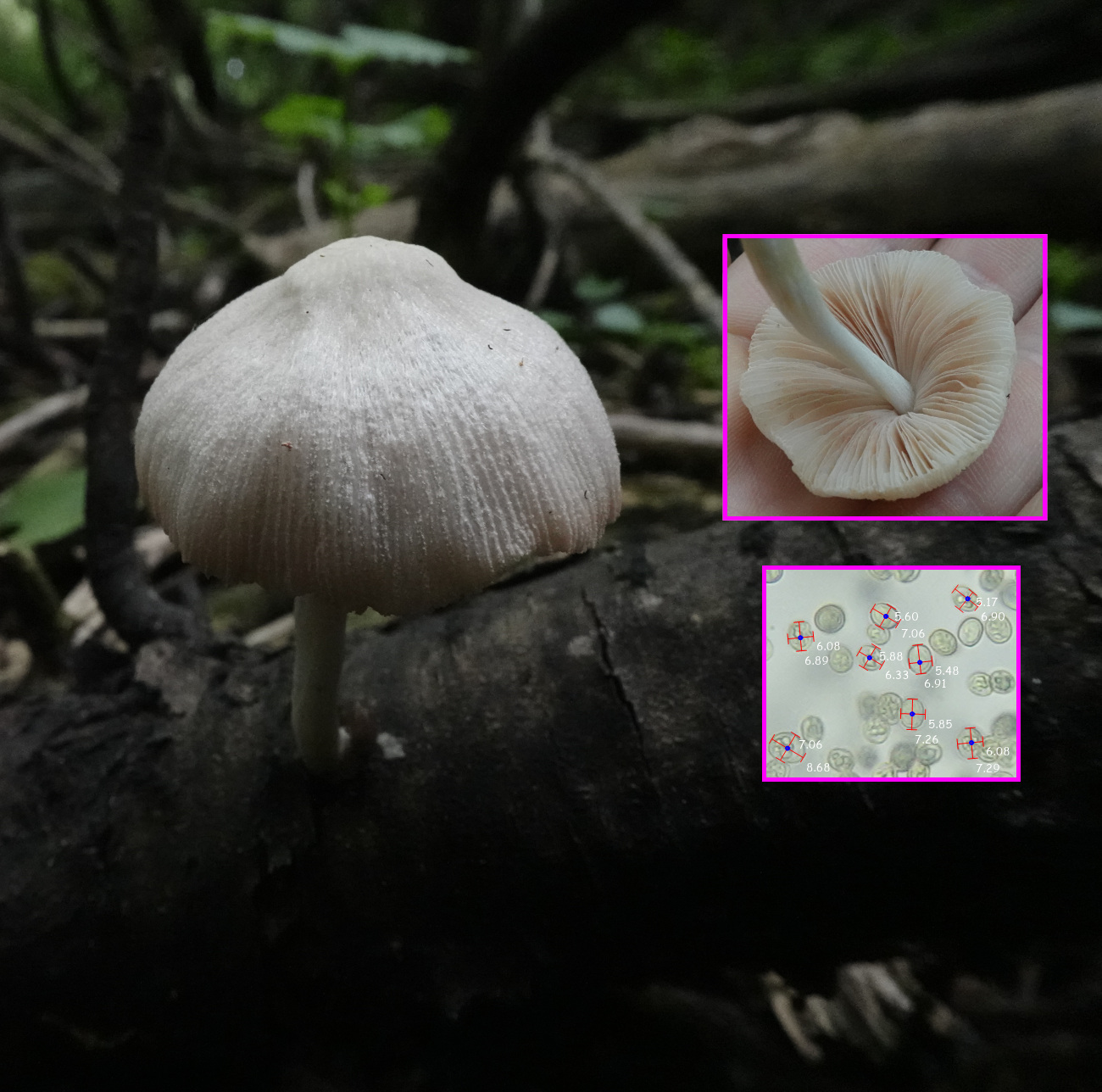
https://www.inaturalist.org/observations/290647721
DNA SEQUENCED PLAUTUS LOOKS TOTALLY DIFFERENT: link
https://www.inaturalist.org/observations/304577150
Resources
- https://alfredojusto.weebly.com/uploads/9/2/0/2/92022628/2014_cervinus_holarctic.compressed.pdf
Pluteus cervinus and P. americanus complex’s, good photos - https://www.fungikingdom.net/articles-about-fungi-by/myco-speak.html
Definitions for macroscopic characteristics - https://inocybaceae.org/glossary.html
Quick glossary for descriptive terms - https://iris.unito.it/bitstream/2318/78430/1/Species%20recognition_4aperto.pdf
Pluteus and Volvopluteus keys - https://www.mushroomexpert.com/pluteus.html
Simple key and well organized - https://www.mycologen.nl/downloads/1988-V1-Entolomataceae.pdf
Pages 50-64 are an incredible reference for niche terms! - https://www.mycoquebec.org/
Repository of many niche mushrooms near the Upper Midwest - https://pmc.ncbi.nlm.nih.gov/articles/PMC10532425/
Pluteus seticeps and other small Pluteus, amazing photos
Quick saved links:
- https://www.researchgate.net/figure/Phylogenetic-tree-generated-by-maximum-likelihood-analysis-of-ITS-sequence-data-of_fig1_350313961
Great phylogenetic tree graphs - https://www.researchgate.net/publication/376566283_Gymnopilus_dilepis_and_G_lepidotus_Agaricales_Basidiomycota_synonym_or_not
Gymnopilus dilepsis microscopy - https://files.shroomery.org/attachments/21366346-Optimized%20How%20To%20Identify%20Mushrooms%20To%20Genus%20III%20Microscopic%20Features%20-%20OCR.pdf
IDENTIFY MUSHROOMS TO GENUS - https://quod.lib.umich.edu/f/fung1tc/AGK0805.0001.001?view=toc
Galerina Monograph - https://ojs.utlib.ee/index.php/FCE/issue/view/929/18
Panaeolus Key Page 107 - https://www.semanticscholar.org/paper/Global-species-diversity-and-distribution-of-the-Strauss-Ghosh/dd4c00ef68de055fae5f8aa2b209e3ca7941c7b0
Panaeolus species list p or no - https://www.mushroomexpert.com/microscope.html
Quick Microscope Guide with Great Photos - https://images.mushroomobserver.org/Fungal%20Microscopy.pdf
Microscope Tutorial Alan Rock - https://first-nature.com/fungi/~microscopy.php
Quick Microscope guide with Chemicals
 Logan Spader